


The first time I booked a glaze, I expected a full color appointment and got something much simpler: shampoo, a clear coating, a short wait, and hair that caught the light in a way it had not in months. Hair glazing has stayed in my routine since then because it asks for so little. There is no lightening, no root line to chase, and no long-term shade commitment.
This guide explains hair glazing in plain terms first: what a glaze is, how it differs from a gloss and a toner, how an appointment runs, how long the finish lasts, who it suits, and how to care for it at home. After that come 19 glaze looks and services you can ask for by name, from a clear shine glaze to tinted refreshes for blondes, brunettes, reds, and gray hair.
Quick Takeaways
- A hair glaze coats the outside of the strand with shine and, in tinted versions, a sheer wash of color. Traditional formulas use no ammonia and no peroxide.
- A glaze adds shine and a small tone shift. It cannot lighten hair and it cannot cover gray hair fully.
- Most salon glaze results fade within one to two weeks, gradually, with no grow-out line.
- The appointment is short: shampoo, application to damp hair, about 5 to 20 minutes of processing, then a rinse and style.
- Clear and tinted glazes work on colored hair and on natural, uncolored hair alike.
What Is a Hair Glaze?
A hair glaze is a non-permanent treatment that coats the outside of each strand. The coating smooths the cuticle surface down, and a smoother surface reflects light more evenly. That even reflection is what gives glazed hair its polished, glassy finish. Stylists often compare a glaze to a top coat over nail polish: it seals and shines what is already underneath.
Glazes come in two forms. A clear glaze carries no pigment and adds shine and smoothness only. A tinted glaze carries a small amount of pigment and lays a sheer wash of tone over your current color. The tint can deepen a faded shade, warm up a flat one, or cool down unwanted warmth. In both forms, the glaze sits on the surface of the hair. Traditional glaze formulas contain no ammonia and no peroxide, and they do not open the cuticle or change the structure of the hair.
A glaze also helps with feel. The coating fills in rough spots along the strand, so hair tangles less, flyaways sit flatter, and frizz looks calmer, especially in humidity. The effect is temporary and washes away a little at a time.
Hair Glaze, Gloss, and Toner: How They Differ
Salons use these three words in overlapping ways, and product lines vary, so the working differences below describe the traditional salon meanings. Ask your colorist what a service on their menu actually does before you book it.
A glaze coats the surface of the hair. It uses no developer, deposits sheer tint at most, and fades within about one to two weeks. Its main job is shine, with a small tone adjustment on the side.
A gloss goes one step further. A gloss is a demi-permanent treatment that uses a low-volume developer to open the cuticle slightly and deposit tone inside the surface layer. That deposit gives a gloss more color payoff than a glaze, and the results last longer, usually about four to six weeks. A gloss can refresh faded color, adjust tone more clearly, and sheer-blend a small amount of gray.
A toner has a narrower job. Toner is applied after lightening, usually after highlights or balayage, to cancel unwanted tones that lifting leaves behind, such as yellow or orange warmth. A toner refines the final shade of lightened hair. Many toners are gloss or glaze formulas used for that correcting purpose. The comparison table further down this page puts all four services, including permanent color, side by side.
What Happens at a Glaze Appointment
Step 1: Consultation. Your colorist looks at your current color, how porous your hair is, and how the glaze should fade. You agree on clear or tinted, and on the exact tint if you choose one.
Step 2: Shampoo. The service starts at the shampoo bowl. Clean hair takes a glaze evenly, so the colorist washes your hair first and leaves it damp.
Step 3: Application. The colorist applies the glaze through your hair, working it from roots to ends or focusing on the areas that need the tint most, such as faded mid-lengths and ends.
Step 4: Processing. The glaze sits for about 5 to 20 minutes, depending on the formula and how much tint you want. Tinted glazes left on longer deposit a little more color.
Step 5: Rinse and style. The colorist rinses the glaze out, conditions if needed, and blow-dries or styles your hair. The whole standalone service usually fits into a short visit, and a glaze is often added at the end of a color or highlight appointment instead of booked on its own.
How Long a Hair Glaze Lasts
Salon glaze results typically fade within one to two weeks. Washing is the main factor: every shampoo removes a small part of the coating, so frequent washers see the shine and tint go sooner. Sun exposure and high heat styling also shorten the life of a glaze.
The fade itself is gentle. Because a glaze deposits sheer color on the surface only, it washes out evenly and leaves no line where the treated hair ends. When the shine is gone, the fix is another glaze, and in between, the at-home care section below covers the habits that stretch each application.
Who a Hair Glaze Suits
A glaze suits most hair types and colors. It works well for dull or dry-feeling hair that needs shine, for color-treated hair that has faded since the last appointment, for highlighted and balayage hair that has picked up warmth, and for natural hair that has never been colored. Fine hair usually takes a glaze well because the coating is lightweight. Coarse and curly hair benefit from the smoothing effect on the surface of each strand.
Two limits are worth knowing before you book. A glaze cannot lighten hair, since it has no lifting power at all. A tinted glaze also cannot cover gray hair fully, since the pigment is sheer; it can only soften how gray strands stand out. The ideas list below includes a gray blending option that works within that limit.
How to Care for Glazed Hair at Home
Wash less often if you can, since every wash shortens the life of the coating. When you do wash, use a sulfate-free shampoo made for color-treated hair and rinse with cool or lukewarm water. Hot water opens the cuticle and lets tint escape faster.
Use a heat protectant before blow-drying or flat ironing, and keep heat settings moderate. Cover your hair or wear a hat during long stretches in strong sun. A tinted at-home glaze or a color-depositing conditioner, covered as idea 18 below, can top up shine and tone between salon visits.
| Service | What it does | How long it lasts | Commitment | Cost band |
|---|---|---|---|---|
| Hair glaze | Coats the surface with shine and sheer tint; no developer | About 1 to 2 weeks | Very low; fades with washing, no grow-out line | $ |
| Hair gloss | Demi-permanent tone and shine; low-volume developer deposits color at the surface layer | About 4 to 6 weeks | Low; fades gradually, can sheer-blend some gray | $$ |
| Toner | Cancels unwanted yellow or orange tones after lightening | About 3 to 4 weeks | Low; tied to a lightening service | $$ |
| Permanent color | Deposits lasting color and can cover gray hair fully | Grows out; roots show in about 4 to 6 weeks | High; needs regular root touch-ups | $$$ |
1. Clear Shine Glaze

A clear glaze adds shine and smoothness with no color change at all. The formula carries no pigment, so your shade stays exactly as it is while the coating smooths the surface and boosts light reflection. It works on every hair color, from black brunette to white blonde.
This is the standard pick when your color is fine and only the finish looks tired. It also suits anyone who wants a salon shine treatment with zero risk of a tint shift, including people growing out old color.
Try this: book a clear glaze a few days before photos or an event, while the coating is at its glossiest.
Difficulty: Low · Cost: $ (salon)
2. Tinted Glaze Over Highlights

A tinted glaze over highlights lays a sheer wash of tone across the whole head. The tint reconnects the highlighted pieces with the base color, so the contrast looks intentional again instead of faded and patchy. Your colorist picks the tint to match the tone your highlights had on day one.
Highlights pick up warmth and dullness between appointments, and this glaze is the short visit that resets them. It adds no new lightening and no new foils, and the whole service is application, a short process, and a rinse.
Try this: bring a photo from the week your highlights were done, so your colorist can match the tint to that tone.
Difficulty: Low to Medium · Cost: $$ (salon)
3. Root Smudge Glaze

A root smudge glaze places a tint close to your natural root color right at the top of lightened hair and blends it downward a short way. The tint softens the hard line where highlights or balayage start, so regrowth reads as a gradient.
Colorists use this at the end of a lightening appointment and as a fix when grown-out highlights show a clear band. The smudge itself is sheer and fades gradually, and it can stretch the time before your next full lightening session.
Try this: ask for the smudge shade matched to your natural root color, sampled at the nape where your color is darkest.
Difficulty: Medium · Cost: $$ (salon)
4. Blonde Brightening Glaze

A blonde brightening glaze uses a cool, violet-leaning tint to cancel the yellow warmth that builds up in blonde hair. Sun, heat styling, and minerals in tap water all push blonde toward brass, and the cool tint in the glaze pulls it back toward clean and bright.
The tint is sheer, so it refines blonde rather than changing its level. It cannot make hair lighter. Blondes planning their next shade move can compare options in the winter blonde hair color ideas roundup while a glaze holds their current tone.
Try this: tell your colorist where the brass shows first, usually the front pieces and ends, so the tint is worked in longest there.
Difficulty: Low to Medium · Cost: $$ (salon)
5. Brunette Richness Glaze

A brunette richness glaze uses a warm brown tint, often a chocolate or espresso shade, to deepen faded brown hair and restore its shine. Brown color fades toward a flat, slightly reddish tone over time, and the tint puts the depth back in one short service.
The change stays within your current shade family. Hair looks darker and glossier for a week or two, then fades back evenly. Brunettes weighing a bigger change can browse the fall brunette hair colors list for deeper shades to try after a glaze trial.
Try this: ask for the tint one shade deeper than your current brown if your color has faded a lot since your last appointment.
Difficulty: Low · Cost: $$ (salon)
6. Red and Copper Refresh Glaze

Red and copper shades lose pigment faster than any other color family, and a refresh glaze is the standard upkeep for them. The tint carries red or copper pigment that replaces what washing has removed, so the shade looks freshly done again.
Your colorist can weight the tint toward red, copper, or auburn depending on your base shade. Readers collecting shade options for their next full color can look through the fall copper hair colors list, which includes a copper glaze over brunette among its ideas.
Try this: book this glaze at the midpoint between full color appointments, when the fade first becomes visible in daylight.
Difficulty: Low to Medium · Cost: $$ (salon)
7. Golden Warmth Glaze
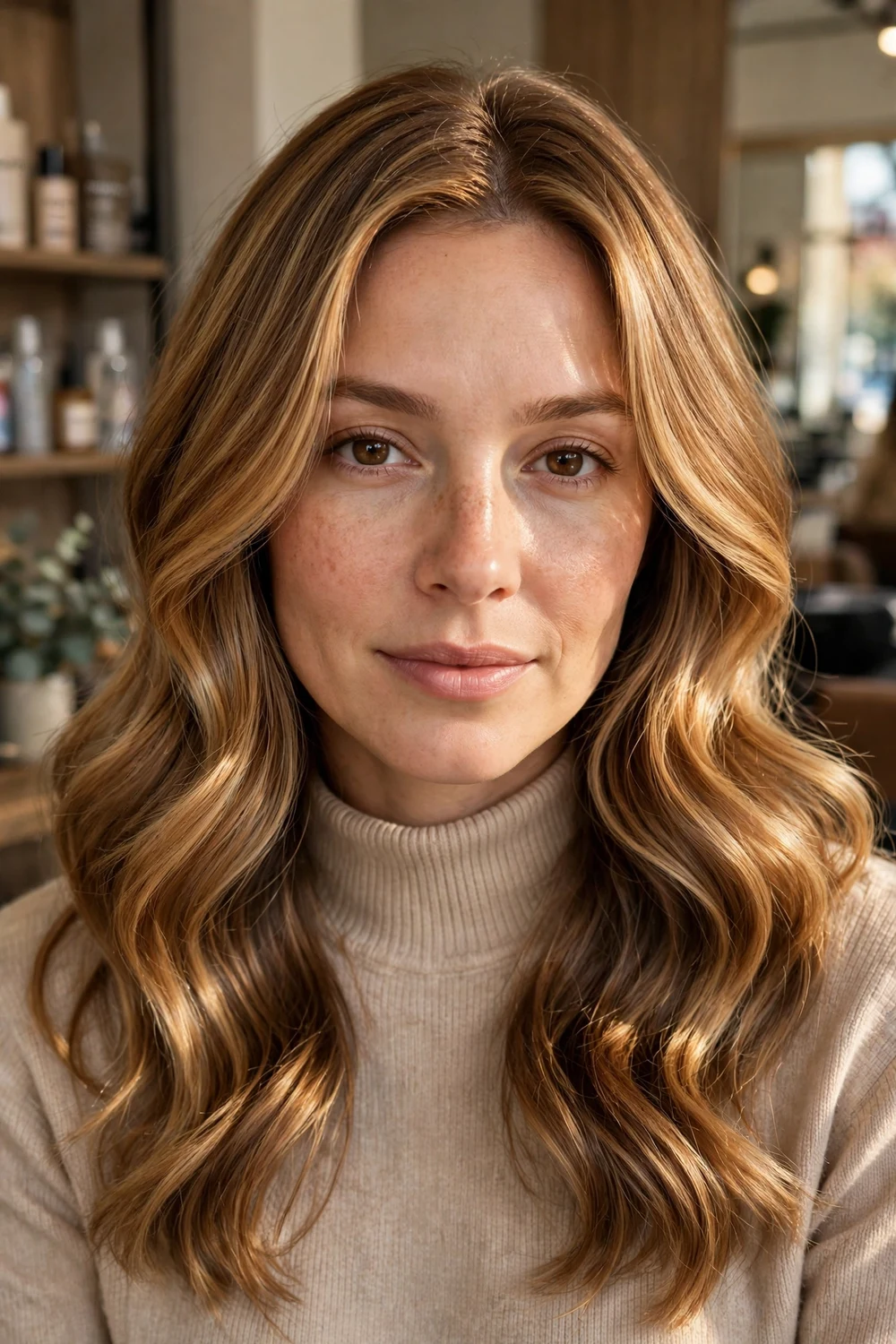
A golden warmth glaze lays a honey gold tint over blonde or light brown hair. It suits hair that has gone pale and flat, and it adds the warm reflect that sunlight gives hair in summer. Bronde hair, the mix of brown and blonde, takes this tint especially well.
The shift is subtle and seasonal. Many people book it in autumn to warm up summer highlights, then let it fade out on its own. Because the tint washes away gradually, there is nothing to correct if you change your mind.
Try this: ask for the gold tint kept sheer on the front pieces, so your face frame stays bright while the lengths gain warmth.
Difficulty: Low · Cost: $ (salon)
8. Smoky Cool Glaze for Brunettes
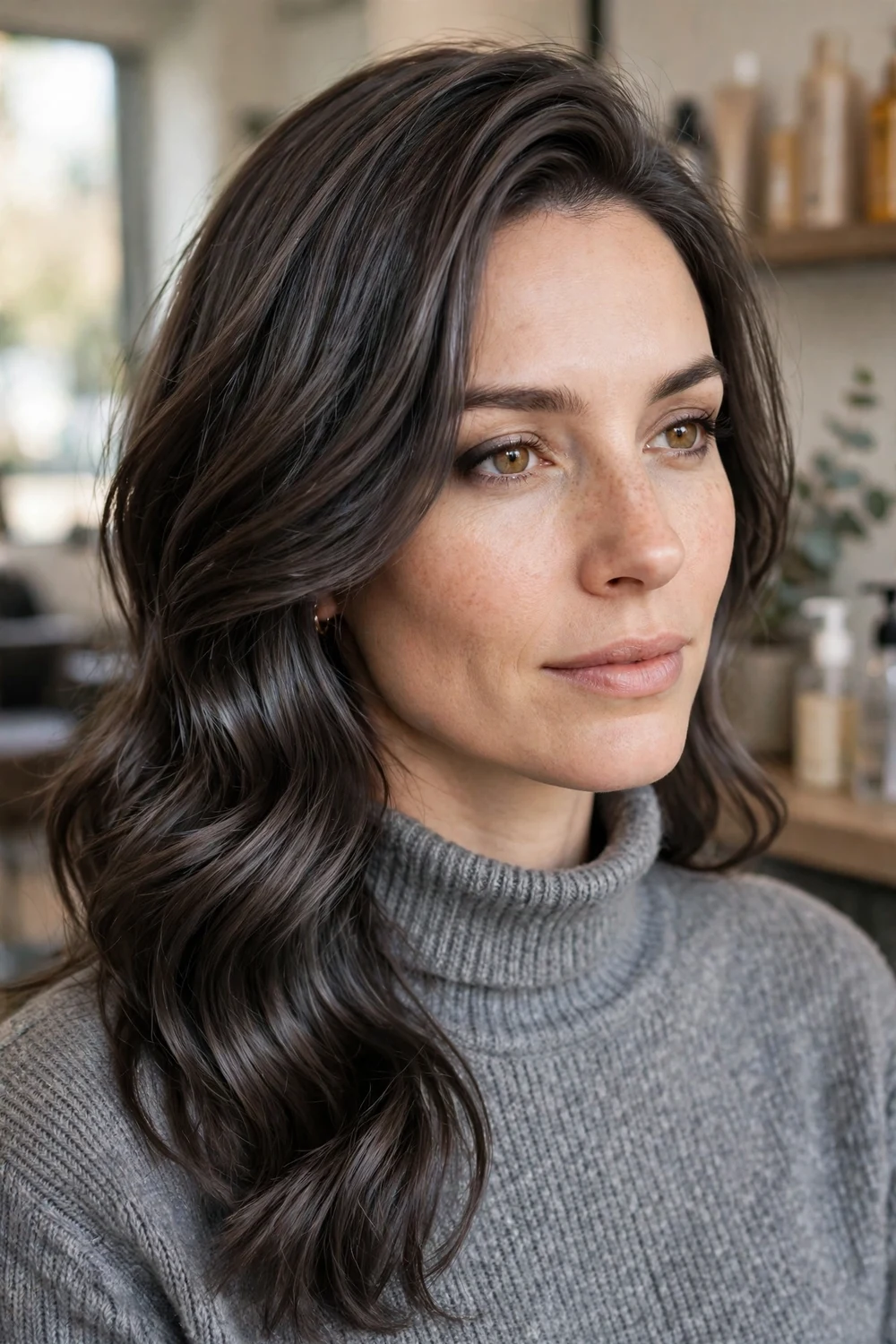
Where the golden glaze adds warmth, a smoky cool glaze takes warmth away. Its blue and ash-leaning tint cancels the orange and red tones that show up in faded brown hair, leaving a cooler, smokier brunette.
This is a common fix for brunettes whose color keeps turning warm between appointments. The tint can only neutralize tone that is already there. It cannot darken hair by levels or lighten it, and the cool cast fades within a couple of weeks.
Try this: show your colorist a photo of your hair in daylight, since orange warmth shows most clearly outside salon lighting.
Difficulty: Low to Medium · Cost: $$ (salon)
9. Gray Blending Glaze

A gray blending glaze lays a sheer tint over hair where gray is coming in. The tint stains the gray strands lightly and deepens the pigmented strands at the same time, so the contrast between them softens. The goal is a blended mix, with the gray still visible up close.
Set expectations clearly at the consultation: a glaze will not cover gray fully, and anyone who wants full coverage needs a gloss with more pigment or permanent color. For a softer route that pairs with blending, the gray hair with lowlights guide shows how lowlights break up gray at the root.
Try this: ask for the tint matched to your pigmented hair, not to the gray, so both strand types meet in the middle.
Difficulty: Medium · Cost: $$ (salon)
10. Silver Glaze for Natural Gray Hair

Hair that has gone fully gray or white can pick up a yellow cast from sun, heat, and product buildup. A silver glaze answers that with a clear or cool violet tint that clears the yellow tone and leaves the silver looking clean and polished.
The shine gain is the other half of this service. Gray strands have a wirier texture than pigmented hair, and the glaze coating smooths the surface so the hair reflects light in one direction and looks sleeker.
Try this: book this glaze after a haircut, when the ends are fresh, so the smooth finish runs the full length of the hair.
Difficulty: Low · Cost: $ (salon)
11. Balayage Midpoint Glaze

Balayage lightening lasts for months, while the toner laid over it fades in weeks. A midpoint glaze is booked halfway between full balayage appointments to refresh that tone: it clears brass from the lightened pieces and restores shine to the ends.
The service protects your budget as much as your color, since a glaze costs far less than a full balayage session. The fall balayage hair colors roundup shows the placements this refresh keeps looking current.
Try this: when you book your balayage, book the midpoint glaze at the same time so the refresh lands before the tone turns brassy.
Difficulty: Low to Medium · Cost: $$ (salon)
12. Glaze With a Root Touch-Up

At a root touch-up, the fresh color at the scalp often looks richer than the faded mid-lengths and ends below it. A glaze run through the lengths during the same appointment evens that out, matching the older hair to the new roots in tone and shine.
Colorists call this refreshing the ends, and it adds only a short processing step to a visit you already booked. It also limits how often permanent color needs to be pulled through the whole head, which is kinder to the ends over time.
Try this: ask for the ends glaze in the same shade family as your root formula, mixed a touch sheerer so the lengths stay lighter than the roots.
Difficulty: Medium · Cost: $$ (salon)
13. Glaze on Natural, Uncolored Hair

You do not need colored hair to book a glaze. On natural hair, a clear glaze adds shine and smoothness, and a tinted glaze can enrich your own color, making a flat brown look deeper or a dull blonde look warmer for a week or two.
This is a low-risk first salon color service. Nothing about it is permanent, nothing needs growing out, and the fade returns your hair to exactly its starting point. It also gives you a preview of how a tint family looks against your skin before any longer-lasting color.
Try this: start with clear if you only want shine, and move to a sheer tint at the next visit once you know you like the finish.
Difficulty: Low · Cost: $ (salon)
14. Frizz-Smoothing Glaze for Coarse Hair

Coarse hair has a rougher surface, so it reflects light unevenly and tangles more easily. A glaze coating fills the rough spots along each strand, which helps the hair lie flatter, detangle faster, and resist puffing up in humidity.
The smoothing effect lasts as long as the coating does, about one to two weeks, and it fades evenly rather than wearing off in patches. A clear formula is usually the pick here, since the goal is texture and shine rather than a tone change.
Try this: pair the glaze with a blowout at the same visit, so you can see the full smoothing effect before you style it yourself at home.
Difficulty: Low · Cost: $ (salon)
15. Curl-Friendly Glaze

A glaze suits curly hair because it works on the surface of the strand and leaves the curl pattern alone. The coating smooths the outside of each curl, so curls reflect more light, clump together more cleanly, and show less surface frizz.
Your stylist applies the glaze to damp curls and rinses it without rough handling, then dries the hair the way you normally wear it, often with a diffuser. A tinted version can refresh faded color on curls without any of the processing that lightening involves.
Try this: book with a stylist who works with curly hair regularly, and arrive with your curls in their natural state so the glaze is applied as you wear them.
Difficulty: Low to Medium · Cost: $$ (salon)
16. Lightweight Glaze for Fine Hair

Fine hair often avoids shine treatments out of concern that coatings will weigh it down. A glaze is a thin surface coating rather than a heavy conditioning treatment, and salon guides note that it adds shine without weighing finer textures down.
The visual gain is real for fine hair in particular. Thin strands look dull faster than thick ones, and an even, reflective surface makes the hair read as healthier and a little fuller under light. Ask your colorist to rinse thoroughly and style with lightweight products afterward.
Try this: skip heavy oils and creams for the first few days after the glaze, so you can judge the shine on its own.
Difficulty: Low · Cost: $ (salon)
17. Temporary Tint Trial Glaze

A tinted glaze doubles as a trial run for a color you are considering. A sheer wash of copper, rose, gold, or a deeper brown lets you live with the tone family for a week or two, in your own lighting and with your own wardrobe, before you commit to a longer-lasting version.
Keep the trial close to your current level. A glaze can only deposit sheer color, so it can take you a little warmer, cooler, or deeper, and it cannot preview a lighter shade. If the trial tint suits you, your colorist already has a record of the tone direction that worked.
Try this: take photos of the trial tint on day one and day seven, so you can judge both the fresh tone and how it fades.
Difficulty: Low to Medium · Cost: $$ (salon)
18. At-Home Glaze Between Salon Visits

At-home glaze products come in clear and tinted versions and are applied like a mask or a conditioning treatment, usually on washed, damp hair in the shower. They give a smaller version of the salon result: a few days of added shine and a slight tone top-up.
Home glazes work best as upkeep between salon appointments rather than as a full replacement for them. A salon formula is mixed for your exact color, while a home product is made for a shade family. Follow the timing on the label closely, since leaving a tinted home glaze on longer deepens the tint.
Try this: do a strand test behind your ear first with any tinted home glaze, and time it, before you apply it to your whole head.
Difficulty: Low · Cost: $ (at home)
19. Pre-Event Shine Glaze

Salons book many standalone glazes in the days before weddings, parties, and photo sessions. The reasoning is timing: a glaze peaks right after application, so booking it two to three days before an event puts the highest shine on the day itself.
A clear glaze is the safe choice before an event, since it changes nothing about your color while it polishes the finish. If you want a tint as well, trial that tint at an earlier appointment first, so there are no surprises in event photos.
Try this: schedule the glaze after your final color appointment and before any event trial styling, so your stylist practices on the glazed finish.
Difficulty: Low · Cost: $ (salon)
Frequently Asked Questions
What does hair glazing do to your hair?
Hair glazing coats the outside of each strand with shine and, in a tinted version, a sheer wash of color. The coating smooths the surface of the hair, so it reflects light more evenly, looks glossier, and feels smoother with less visible frizz. A glaze does not lighten hair, does not change its structure, and fades away gradually with washing.
How long does a hair glaze last?
A salon hair glaze typically lasts about one to two weeks. How often you wash your hair is the biggest factor, since every shampoo removes a little of the coating. Cool water, sulfate-free shampoo, and less heat styling help the shine and tint last toward the longer end of that range.
Can a hair glaze cover gray hair?
A hair glaze cannot cover gray hair fully, because its pigment is sheer. A tinted glaze can stain gray strands lightly and soften the contrast between gray and pigmented hair, which is how gray blending glazes work. If you want full, opaque gray coverage, you need permanent color instead.
Does a hair glaze damage hair?
Traditional hair glazes use no ammonia and no peroxide, and they sit on the surface of the hair rather than opening the cuticle. For that reason, a glaze is one of the gentlest salon services and is generally treated as non-damaging. The coating can even make dry or rough hair feel smoother while it lasts. Product formulas vary, so ask your salon about the specific glaze they use.
Can I do a hair glaze at home?
Yes. At-home glazes are sold in clear and tinted versions and are applied to washed, damp hair, left on for the time stated on the label, and rinsed out. The result is a lighter version of the salon service, with shine that lasts a few days to about a week. At-home glazes work well for upkeep between salon visits, and a strand test is a sensible first step with any tinted version.
Final Thoughts
Hair glazing earned its place in my routine because it is honest about what it does: shine, a sheer tone shift, and a smoother finish for a week or two, with nothing to grow out and nothing to correct later. If your color looks tired, a glaze refreshes it. If your color is fine, a clear glaze simply polishes it. Pick the idea above that matches your hair and your next appointment, and ask for it by name.

