

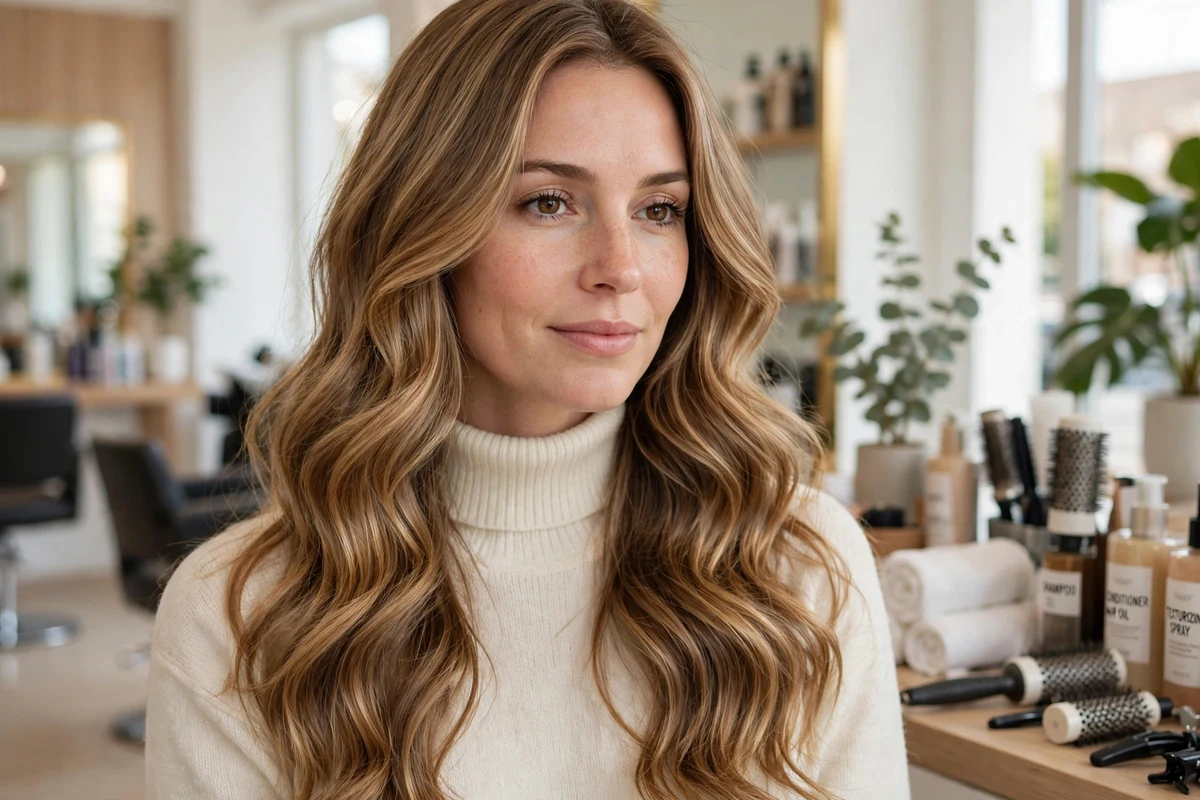
Light brown hair sits in the most flexible spot on the color chart. It is light enough to take blonde, caramel, and copper highlights without heavy lifting, and deep enough to hold lowlights and melts that give the color real depth. That range is why the same base can read warm and golden in one salon visit and cool and smoky in the next.
This list collects 25 highlight ideas for light brown hair and keeps every one of them anchored to that base. Warm shades come first, then the cool shades, the placement techniques, and the depth options. Every idea notes the undertone, who it suits, and how much upkeep it asks for. If you are planning color around the season, the fall hair colors guide shows where light brown and its highlights sit among the wider fall shades.
Quick Takeaways
- Honey, caramel, and golden blonde are the safest highlight shades on a light brown base, since they lift only two to three levels and blend with warm undertones.
- Ash blonde, beige blonde, and smoky ash brown suit cool undertones and keep brassiness in check.
- Babylights, balayage, and ombre grow out softly and can stretch salon visits to 8 to 12 weeks.
- Lowlights in chocolate and chestnut add depth back when highlights have made light brown hair look flat or washed out.
- A honey gloss is the lowest-commitment option on the list: no lightener, no regrowth line, and the tone fades out in 4 to 6 weeks.
How to Pick Highlights for Light Brown Hair
Start with the undertone of your base. A warm light brown, with gold or red showing in sunlight, pairs with honey, caramel, golden blonde, toffee, copper, and cinnamon. A cool or neutral light brown, with an ashy cast, pairs better with ash blonde, beige blonde, sandy blonde, and smoky ash brown. Matching the highlight undertone to the base undertone is what keeps the result blended rather than striped.
Then decide how much contrast and upkeep you want. Fine techniques such as babylights and balayage keep the contrast low and the grow-out soft; the fall balayage hair colors roundup shows that painted placement on brown bases in detail. Chunky ribbons and platinum pieces give strong contrast and need toner care. If your light brown hair already carries old highlights, ask for lowlights at the same visit to rebuild depth underneath the new pieces.
| Highlight family | Undertone | Best for | Upkeep |
|---|---|---|---|
| Warm blondes (honey, caramel, golden, toffee) | Warm gold | Warm or neutral light brown bases | Medium |
| Cool blondes (ash, beige, sandy, platinum) | Cool or neutral | Cool light brown bases, pink skin undertones | Medium to high |
| Red-leaning (copper, auburn, strawberry, cinnamon) | Warm red-gold | Warm bases, hazel and green eyes | Medium |
| Painted and fine (babylights, balayage, ombre, melt) | Varies by shade | Soft grow-out, low-contrast results | Low |
| Depth (chocolate lowlights, highlights with lowlights) | Deep warm or neutral | Flat, over-lightened, or fine light brown hair | Low to medium |
1. Honey Blonde Highlights
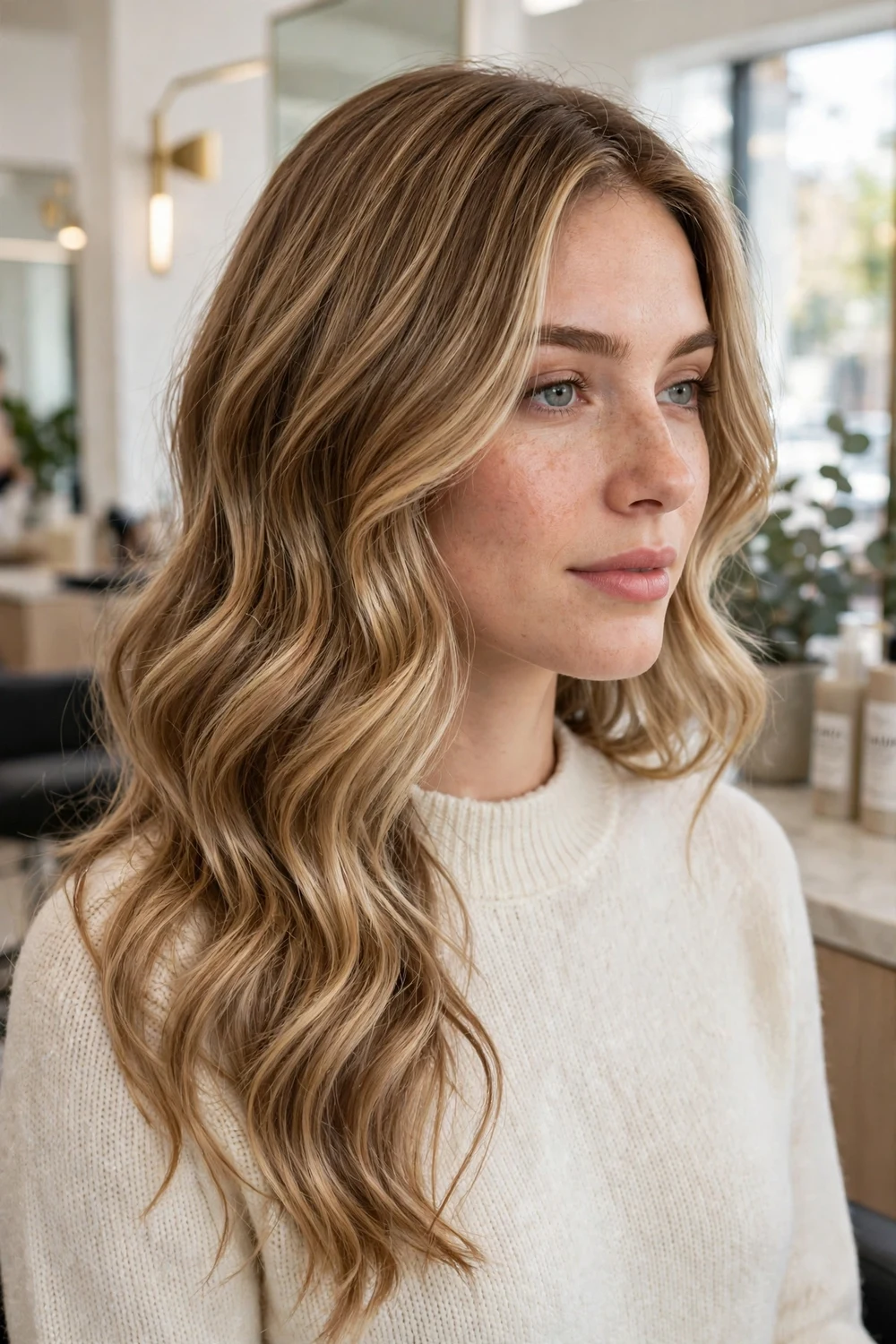
Honey blonde highlights place warm, golden pieces through a light brown base, lifting most sections only two to three levels. The undertone is amber gold, so the pieces blend with the warmth already in light brown hair instead of sitting on top of it. Warm and neutral skin tones suit this shade best, and hazel and brown eyes pick up the gold.
The service is usually a partial or full set of foils, with the brightest pieces kept around the face and through the top layer. Because the lift is modest, most light brown bases reach honey in one session without pre-lightening the whole head. A gloss at six to eight weeks keeps the gold from turning dull.
Try this: ask for honey pieces concentrated through the mid-lengths and ends, with the root area kept closer to your natural light brown for a softer grow-out.
Difficulty: Medium · Cost: $$ (salon)
2. Caramel Highlights
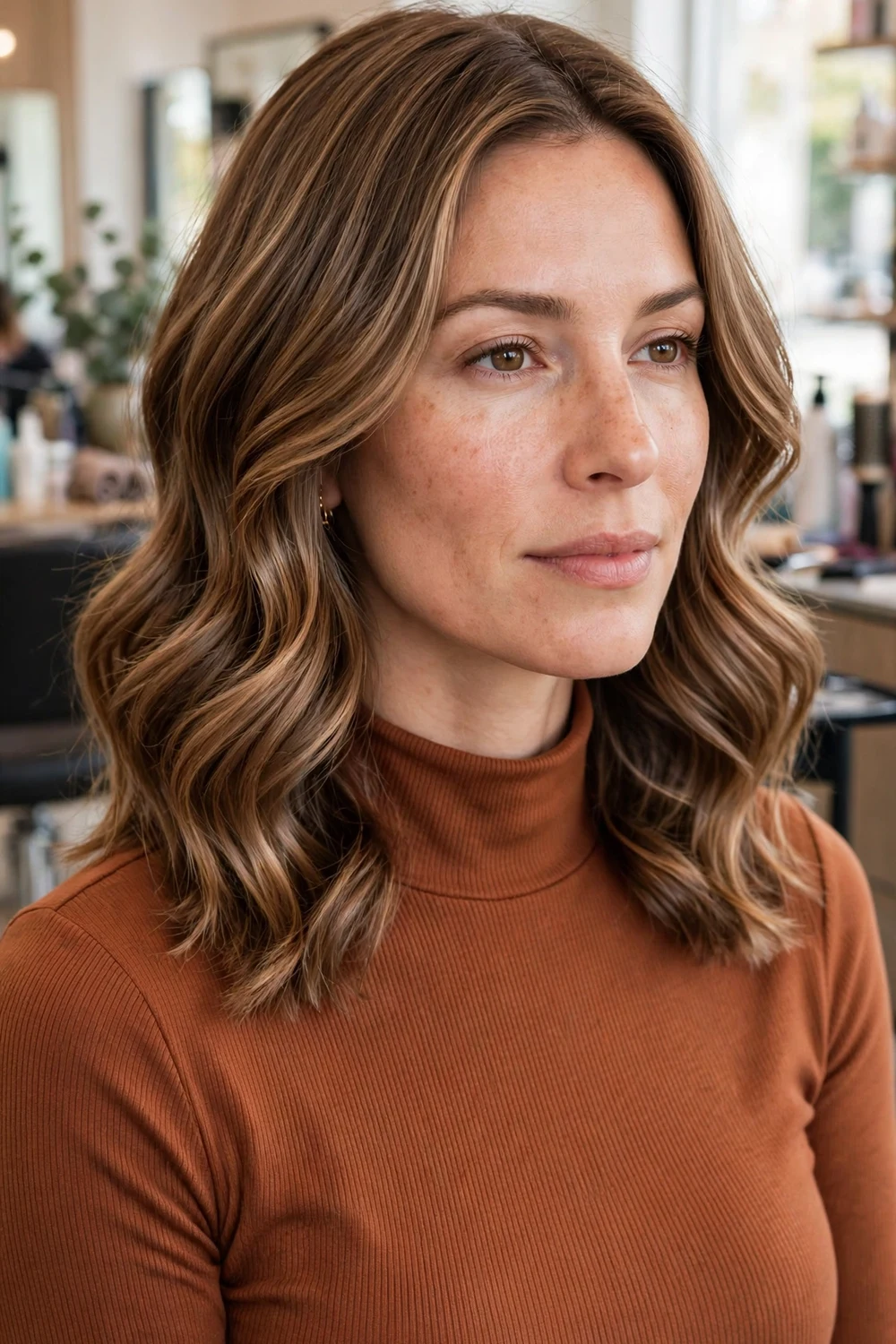
Caramel highlights run a shade deeper than honey: a cooked-sugar gold with a little brown in it. On light brown hair the contrast is gentle, and the result reads as dimension rather than a color change. The shade suits warm and olive skin, and it is a steady pick for anyone whose light brown base already leans golden.
Caramel can be foiled for a defined ribbon or painted on for a softer melt, and the two placements can be mixed in one visit. The brown content in the shade makes it fade slowly and evenly. Plan a toner refresh at eight weeks, mainly to restore shine.
Try this: keep the caramel two levels lighter than your base at most. A bigger jump reads blonde, and the low-contrast blend is the point of this shade.
Difficulty: Medium · Cost: $$ (salon)
3. Golden Blonde Highlights
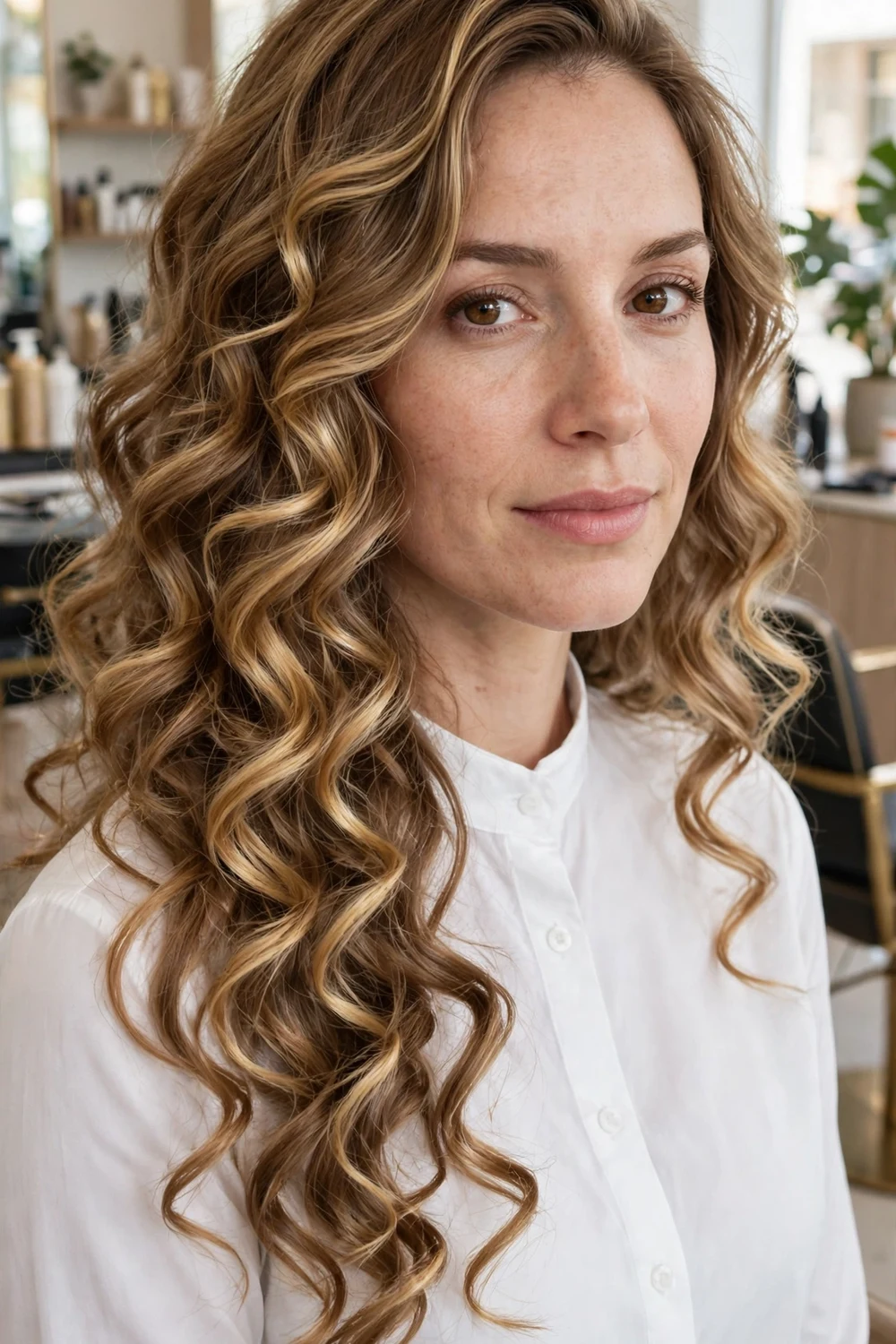
Golden blonde highlights are the brightest of the warm family: a clear yellow gold that lifts a light brown base toward blonde while keeping the warmth. They suit warm skin and anyone whose light brown hair lightens toward gold in the sun. The pieces show most clearly on waves and curls, where each bend catches the light.
Foils give the cleanest golden result, since the sections lift evenly and tone predictably. The trade-off is brassiness over time, as the toner fades and the warm base shows through. A golden gloss at five to six weeks, plus a color-safe shampoo, holds the tone between full appointments.
Try this: ask for a mix of fine and medium weaves instead of uniform slices, so the gold reads as light through the hair rather than stripes.
Difficulty: Medium · Cost: $$ (salon)
4. Ash Blonde Highlights

Ash blonde highlights bring a cool, smoky blonde over a light brown base. The undertone is blue-violet, which cancels the orange and gold that light brown hair throws off when it is lightened. Cool and pink skin undertones suit this shade best, and it is the standard fix for light brown hair that keeps going brassy.
Reaching a clean ash takes a controlled lift followed by a cool toner, and the toner is the part that fades. Expect a toner refresh at four to six weeks and purple shampoo once a week at home to hold the smoky finish. Warm skin can find ash draining, so check the tone against your face in daylight before you commit.
Try this: start with ash pieces through the top and front only. If the cool tone suits you, extend the same formula through the rest of the head next visit.
Difficulty: Medium to High · Cost: $$$ (salon)
5. Beige Blonde Highlights
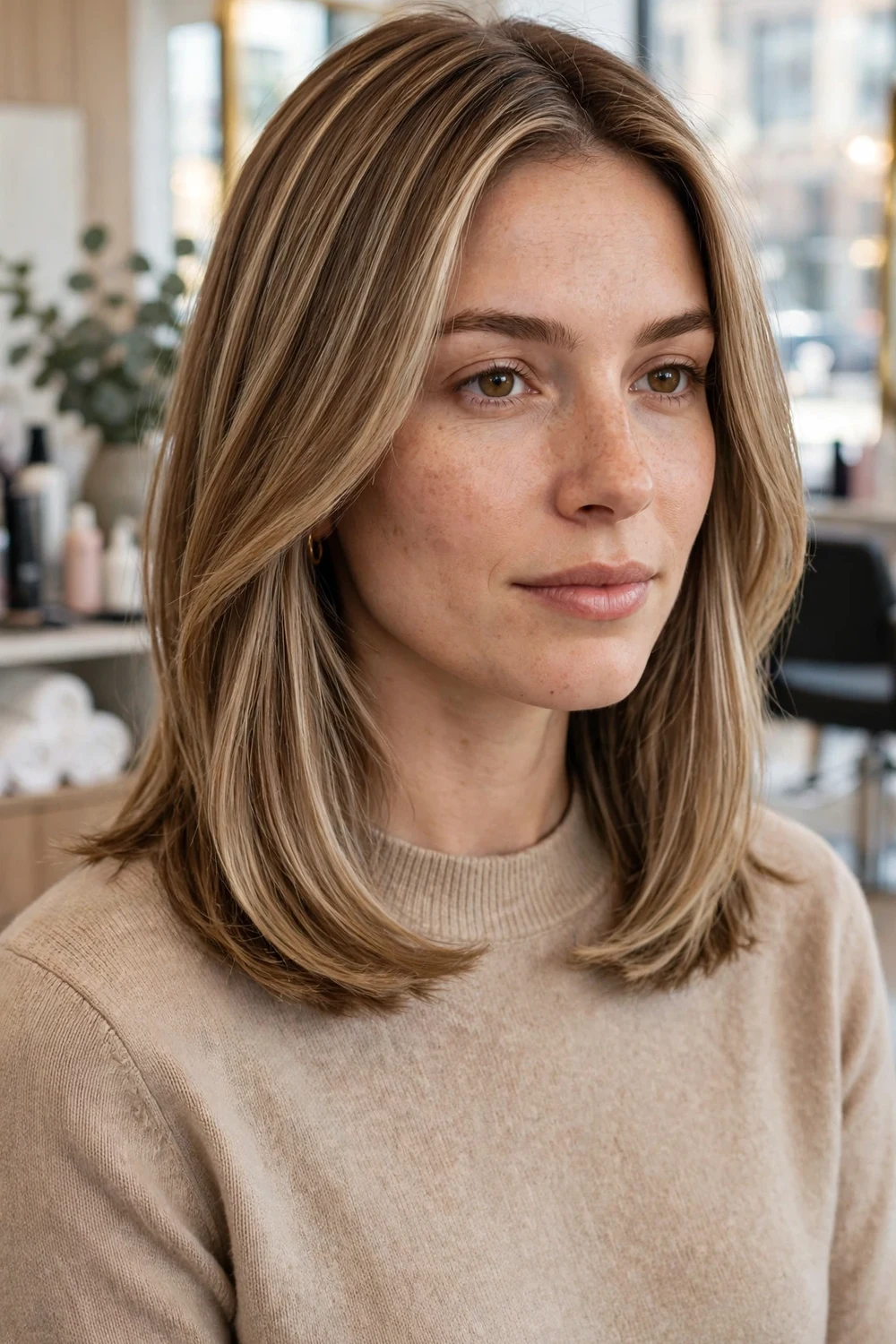
Beige blonde highlights sit between gold and ash: a neutral sandy blonde with the warmth and the coolness both turned down. On a light brown base the pieces read as a quiet lightening, which makes beige the safest blonde for neutral skin tones and for office settings. The shade also blends well on bases that carry both warm and cool tones.
The color is built with fine foils and a neutral toner, and it forgives a range of starting bases because the target is muted rather than bright. Upkeep is moderate. The toner needs a refresh at six weeks, and heat styling without protection will push beige back toward gold.
Try this: bring a photo of beige blonde in natural light to the consultation. Beige reads very differently under salon lighting, and the photo keeps the target clear.
Difficulty: Medium · Cost: $$ (salon)
6. Sandy Blonde Highlights
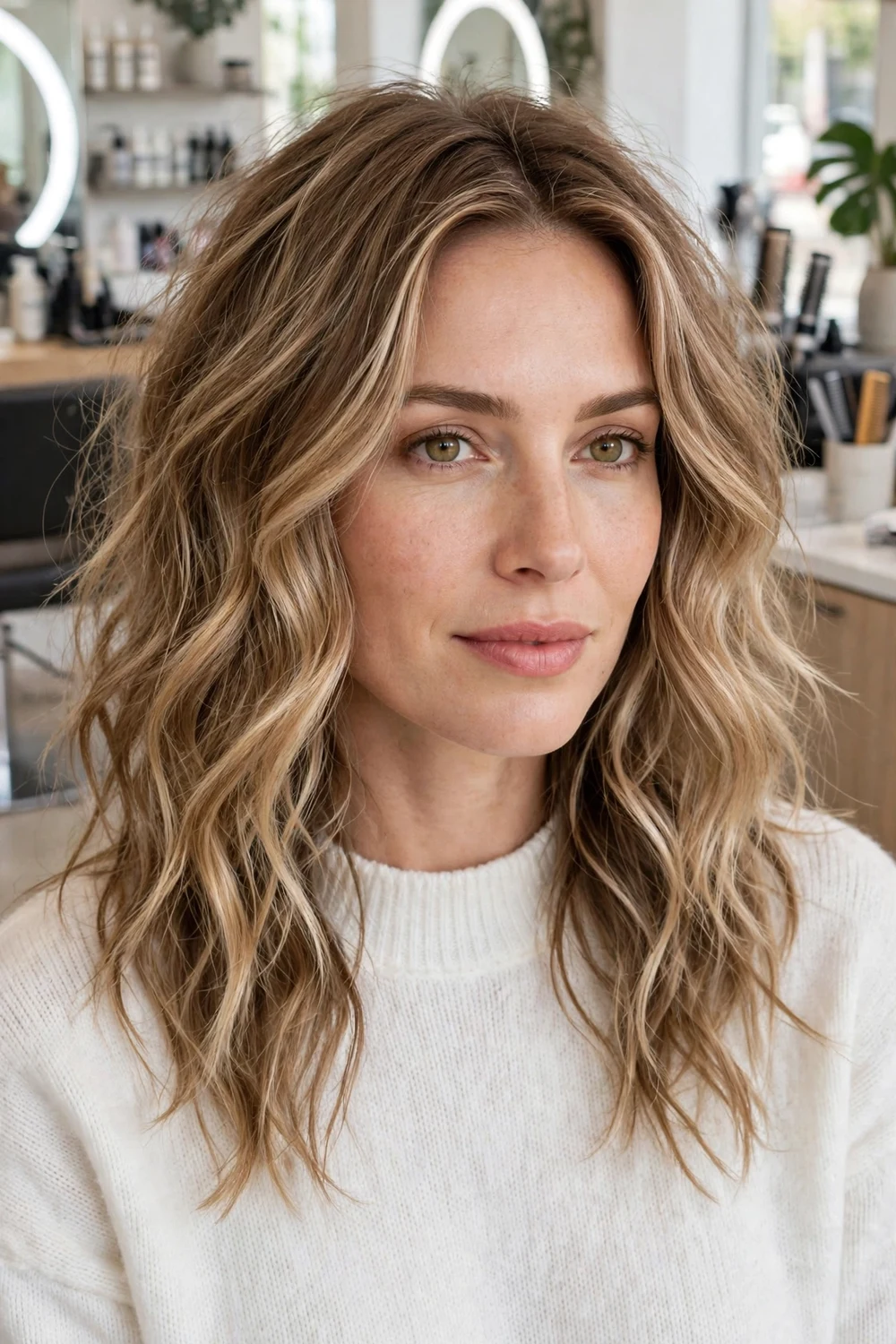
Sandy blonde highlights mix beige and light gold into a pale, muted blonde that mimics hair lightened by a summer outdoors. On light brown hair the lift is small, so the pieces melt into the base and the overall read stays natural. Fair and neutral skin tones suit sandy blonde well, including pink undertones that clash with strong gold.
Painted placement gives the most convincing sandy result, with the palest pieces at the front and through the ends. The grow-out is soft and the refresh cycle is long, around ten weeks, with a gloss in between if the ends start to look dry. Sandy tones fade toward gold, so a beige toner holds the muted finish.
Try this: ask for the sandy pieces kept off the top root area, so new growth blends in and the color still looks placed at week eight.
Difficulty: Medium · Cost: $$ (salon)
7. Babylights
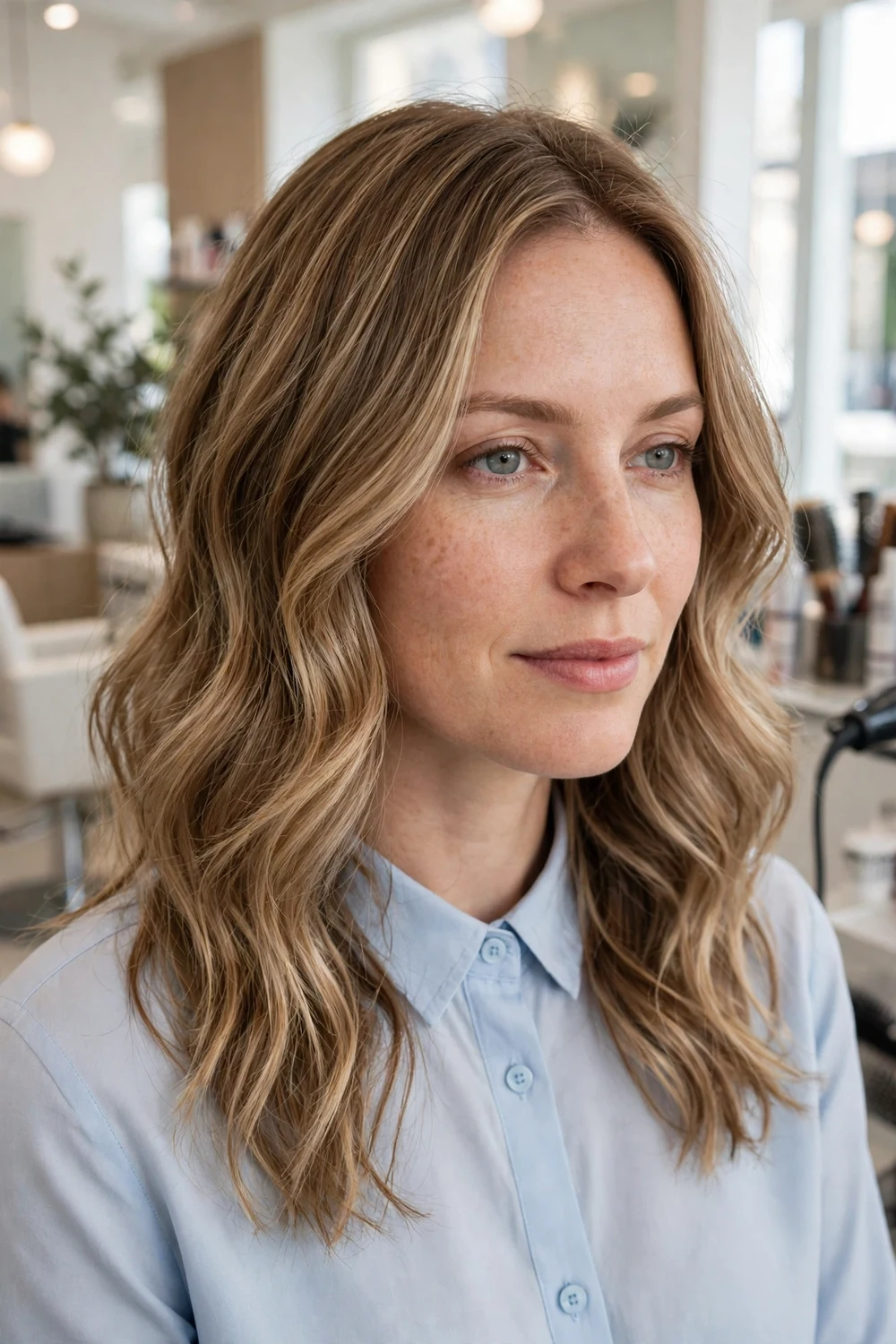
Babylights are highlights taken in sections so fine that no single piece stands out. The color, usually honey, beige, or soft gold on a light brown base, shows as an overall brightness rather than as streaks. They suit anyone who wants the effect of sun on their hair and a result that still reads as their own color.
The fine sections take longer to foil than standard highlights, so the appointment and the price run higher even though the color change is subtle. In return, babylights grow out with almost no visible line and can go ten to twelve weeks between visits. Fine and thin hair benefits most, since the tiny pieces add the look of density.
Try this: ask for babylights in two tones, one at your base level and one two levels lighter, for brightness that still has depth underneath.
Difficulty: Medium to High · Cost: $$$ (salon)
8. Balayage Highlights
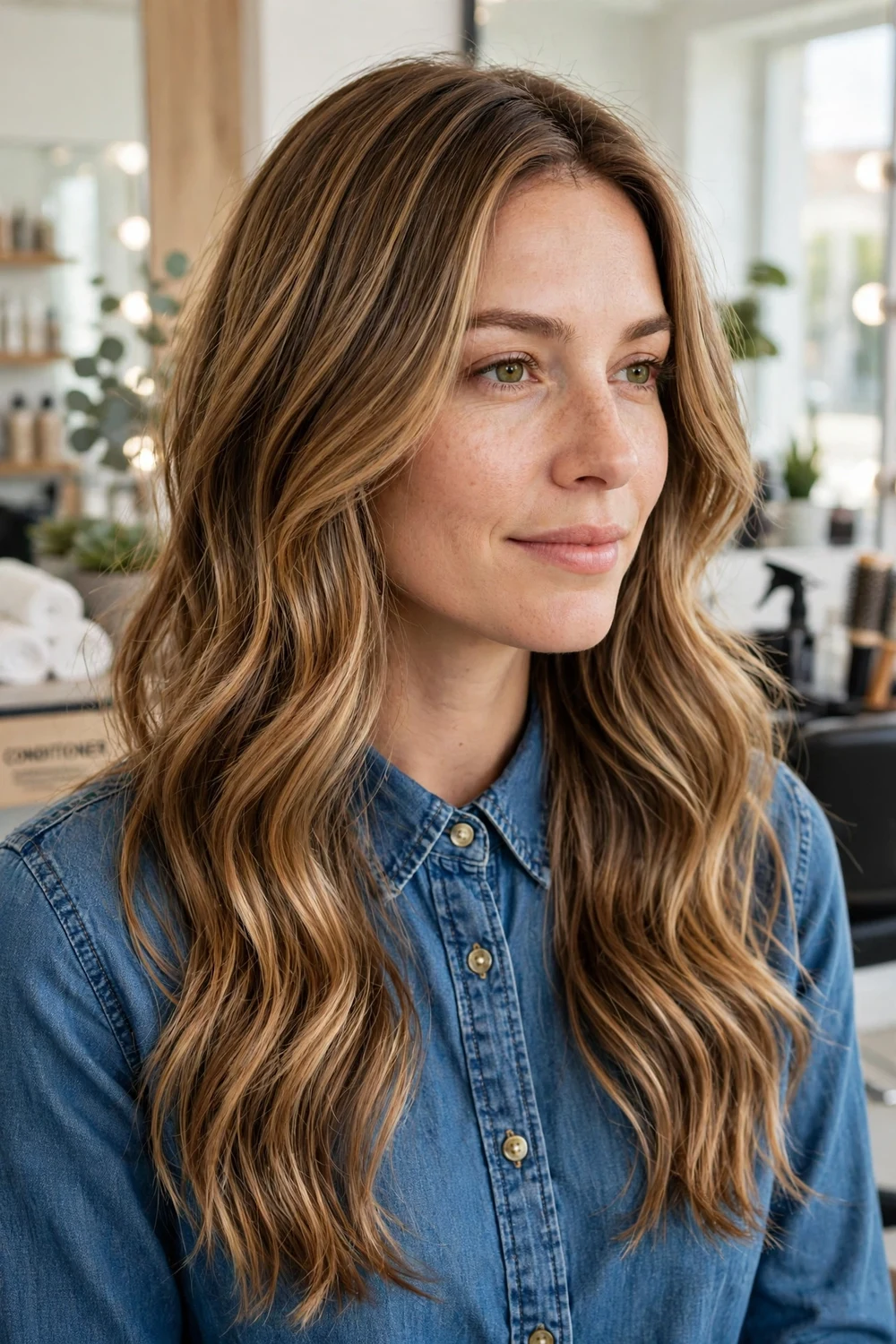
Balayage highlights are painted onto the surface of light brown hair by hand, with the color swept heavier through the mid-lengths and ends and kept sparse at the roots. Any shade on this list can be painted this way, though honey, caramel, and beige are the most requested on a light brown base. The painted edge is what gives balayage its soft, graduated finish.
Because the roots stay close to your natural light brown, regrowth has no hard line and refresh visits can sit at ten to twelve weeks, often with just a toner in between. The ends carry the lightest color, so they need moisture care and gentle handling when wet.
Try this: show your colorist where the light should start. Balayage placed from the cheekbone down flatters most faces and keeps the top of the head low-maintenance.
Difficulty: Medium to High · Cost: $$$ (salon)
9. Face-Framing Highlights

Face-framing highlights lighten only the sections that fall around the face, leaving the rest of the light brown base untouched. The bright front pieces lift the whole look and draw attention to the eyes and cheekbones. The shade can run warm or cool; match it to your skin undertone rather than to the rest of your hair.
This is one of the shortest color services on the list, since only a small area is foiled or painted. It is also a practical test: if you like the brighter tone against your skin, the same shade can be extended through the head later. The front pieces fade fastest because they are washed and styled most, so a mini gloss at four weeks keeps them bright.
Try this: keep the frame pieces one to two shades lighter than any highlights you plan for the rest of the head, so the face stays the brightest point.
Difficulty: Low to Medium · Cost: $ (salon)
10. Blonde Money Piece
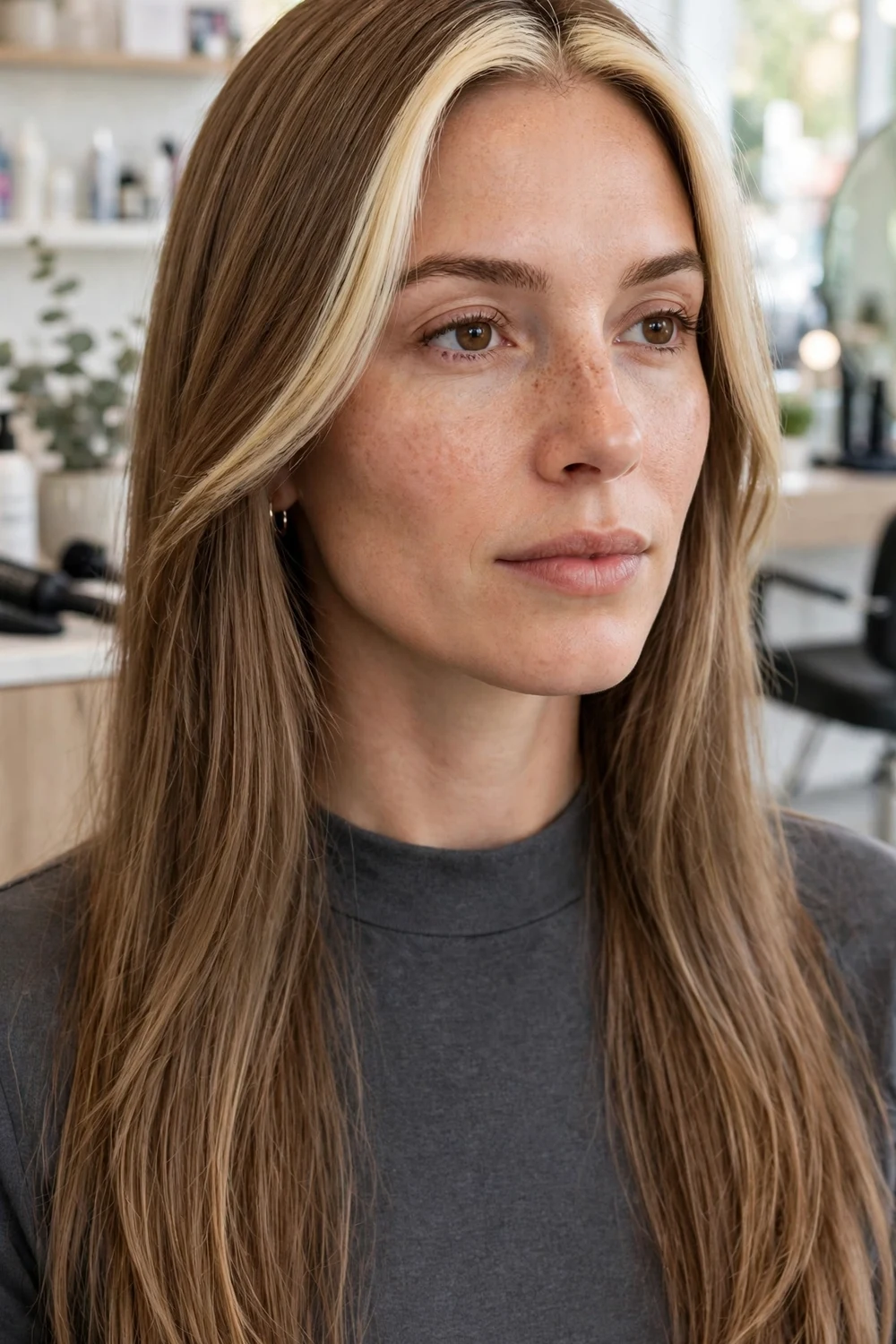
A money piece takes the face frame further: two wider, brighter blonde panels placed right at the front hairline over a light brown base. The contrast is deliberate and higher than a soft face frame. It suits anyone who wants a clear change at the front while keeping the back of the head, and the salon bill, small.
The panels are lightened more than the rest of the hair would be, so they need toner care to stop them drifting brassy or dull. Roots at the hairline show sooner than with a blended frame, and most wearers refresh the panels at six weeks. The service itself is short, since the area colored is small.
Try this: ask for the panels to start a finger width back from the hairline if your roots grow fast. The small offset softens the regrowth line.
Difficulty: Low to Medium · Cost: $ (salon)
11. Copper Highlights

Copper highlights thread a red-orange tone through light brown hair, adding warmth that blonde pieces cannot give. The undertone is warm and the pieces show most in sunlight, where the copper reflect separates from the brown base. Warm skin, freckles, and green or hazel eyes suit copper highlights especially well. The wider auburn copper hair collection shows this red-leaning family at full strength.
On a light brown base, copper usually goes on as a gloss or demi-permanent over lightly lifted pieces, so the lift needed is small. Copper pigment fades faster than blonde pigment, and a copper gloss or color-depositing conditioner at four to six weeks holds the reflect. Cool skin tones should test a strand first, since copper can bring out redness in the face.
Try this: place copper pieces under the top layer as well as on it. The hidden pieces flash through waves and keep the color visible as the top fades.
Difficulty: Medium · Cost: $$ (salon)
12. Auburn Highlights

Auburn highlights sit one step deeper than copper: a brown-red tone that warms a light brown base without pushing it toward orange. The effect is richest in low light, where the red shows as depth rather than brightness. Warm and neutral skin tones carry auburn well, and the shade is a common autumn move for light brown hair that has gone flat over summer.
Auburn pieces can be deposited over the base with little or no lightening, which keeps the service gentle and the grow-out soft. The red half of the tone fades first, so the color drifts back toward brown over six to eight weeks. A red-brown gloss at the refresh visit rebuilds the balance.
Try this: ask for auburn concentrated through the lower half of the hair, so the warmth reads as a gradient and the roots stay your natural light brown.
Difficulty: Medium · Cost: $$ (salon)
13. Strawberry Blonde Highlights
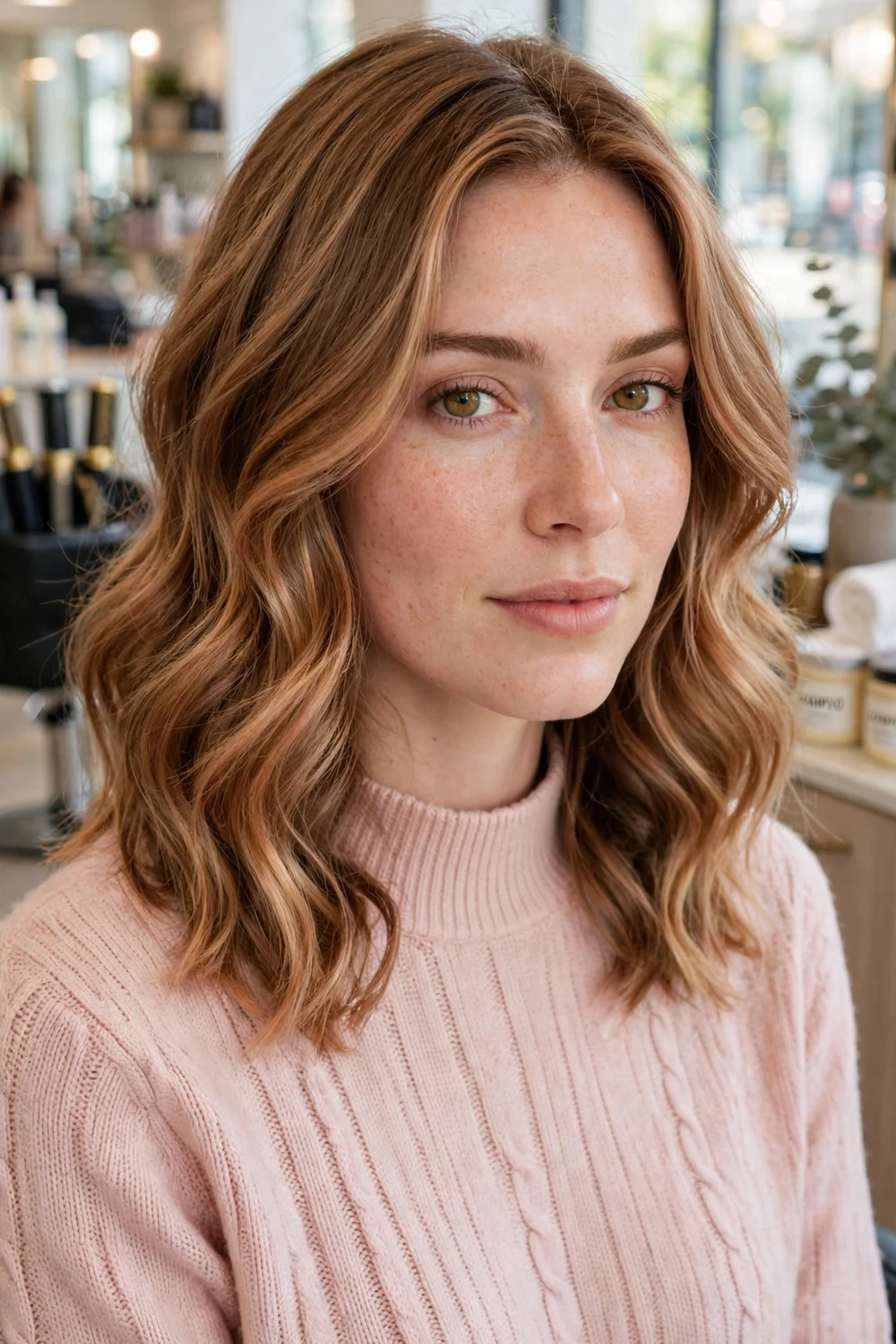
Strawberry blonde highlights blend blonde with a wash of red-gold, giving light brown hair a warm pink tint in the lifted pieces. The shade suits fair warm skin and light eyes, and it is a gentle route for light brown hair that wants both lightness and warmth at once. The red content stays low, so the result reads blonde first and strawberry second.
The pieces are lifted to a light blonde and then toned with the strawberry mix, and that toner is what fades. Expect the pink tint to soften within four to six weeks, leaving a warm blonde behind. A strawberry gloss restores the tint in a short appointment without more lightening.
Try this: ask your colorist to strand test the toner. Porous ends grab the red tones faster than the roots, and the test keeps the shade even.
Difficulty: Medium · Cost: $$ (salon)
14. Chestnut Highlights

Chestnut highlights are only slightly lighter and warmer than a light brown base, with a red-brown undertone that adds polish rather than contrast. The pieces are close enough to the base that the hair reads as one rich color with movement in it. Warm and medium skin tones suit chestnut well, and the shade works in conservative settings where blonde pieces would stand out.
Because the target sits so close to the base, chestnut often needs no lightener at all; a deposit-only color or gloss builds the tone. Upkeep is low, with a gloss at eight weeks to restore the red-brown reflect. The shade also covers the transition well when someone is growing out older, brighter highlights.
Try this: pair chestnut highlights with a clear gloss finish. This shade depends on shine, and the gloss is what separates it from plain brown.
Difficulty: Low to Medium · Cost: $$ (salon)
15. Toffee Highlights

Toffee highlights mix caramel brown with creamy gold, landing between caramel and honey in depth. On light brown hair the pieces give a warm, even glow and make fine hair look fuller, since the mid-tone contrast creates the look of layers. Warm and neutral skin tones suit toffee, and brown and hazel eyes pick up the gold-brown mix.
Toffee is usually foiled in fine ribbons so the gold and brown tones alternate through the head. The shade fades gracefully toward caramel, which keeps it wearable between appointments. A toner and gloss at six to eight weeks is the standard refresh.
Try this: if your light brown base is on the deeper side, ask for toffee pieces kept fine and numerous rather than wide, so the blend stays soft.
Difficulty: Medium · Cost: $$ (salon)
16. Platinum Highlights

Platinum highlights are the highest contrast option for light brown hair: near white blonde pieces lifted as light as the hair will safely go, then toned cool. Against the brown base the pieces are bold and graphic. Cool and fair skin carries platinum best, since the icy tone can wash out warm complexions.
This is the one idea on the list that relies on strong pre-lightening, so the consultation should cover hair history and condition first. Previously colored light brown hair may not reach platinum in one session. Toner care is strict: purple shampoo weekly, a toner refresh at four weeks, and bond care at home to protect the lightened pieces.
Try this: start with platinum only at the front and through the parting. If your hair holds the lift well, add more pieces at the next visit.
Difficulty: High · Cost: $$$ (salon)
17. Chunky Ribbon Highlights
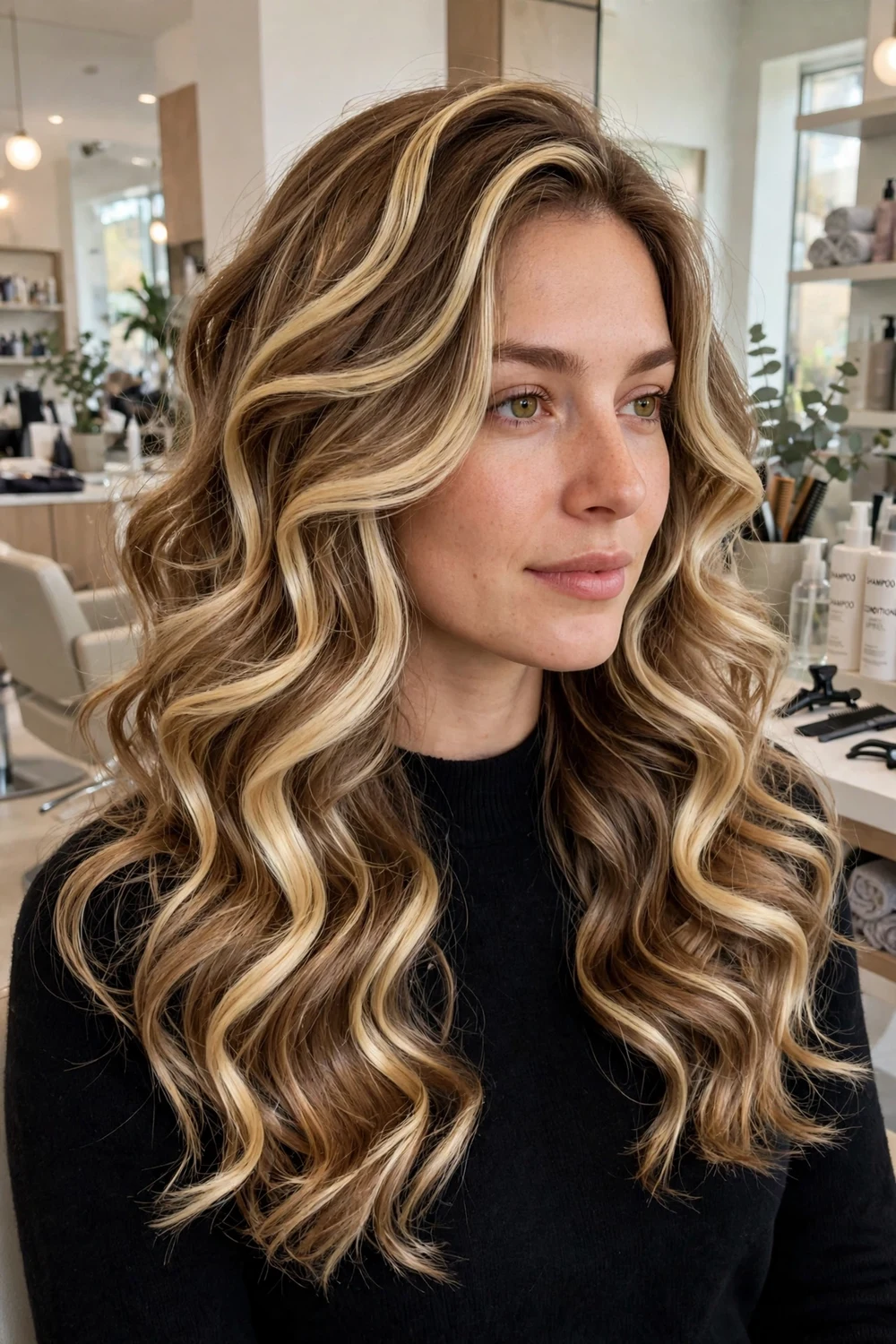
Chunky ribbon highlights use wide sections instead of fine weaves, so the blonde pieces read as clear ribbons running through the light brown base. The width is the style: the contrast is visible from a distance and shows strongly in waves and curls. Warm shades such as honey and caramel keep wide ribbons wearable; ash ribbons read cooler and sharper.
Wide sections lift fast and evenly, but regrowth is more visible than with fine highlights, so refresh visits land at six to eight weeks. The placement plan matters more than the shade here. Ribbons placed evenly around the head look deliberate, while random wide pieces can read as stripes.
Try this: ask for the ribbons to follow your parting and fall on both sides of it, so the pattern looks balanced from the front.
Difficulty: Medium to High · Cost: $$$ (salon)
18. Ombre Highlights
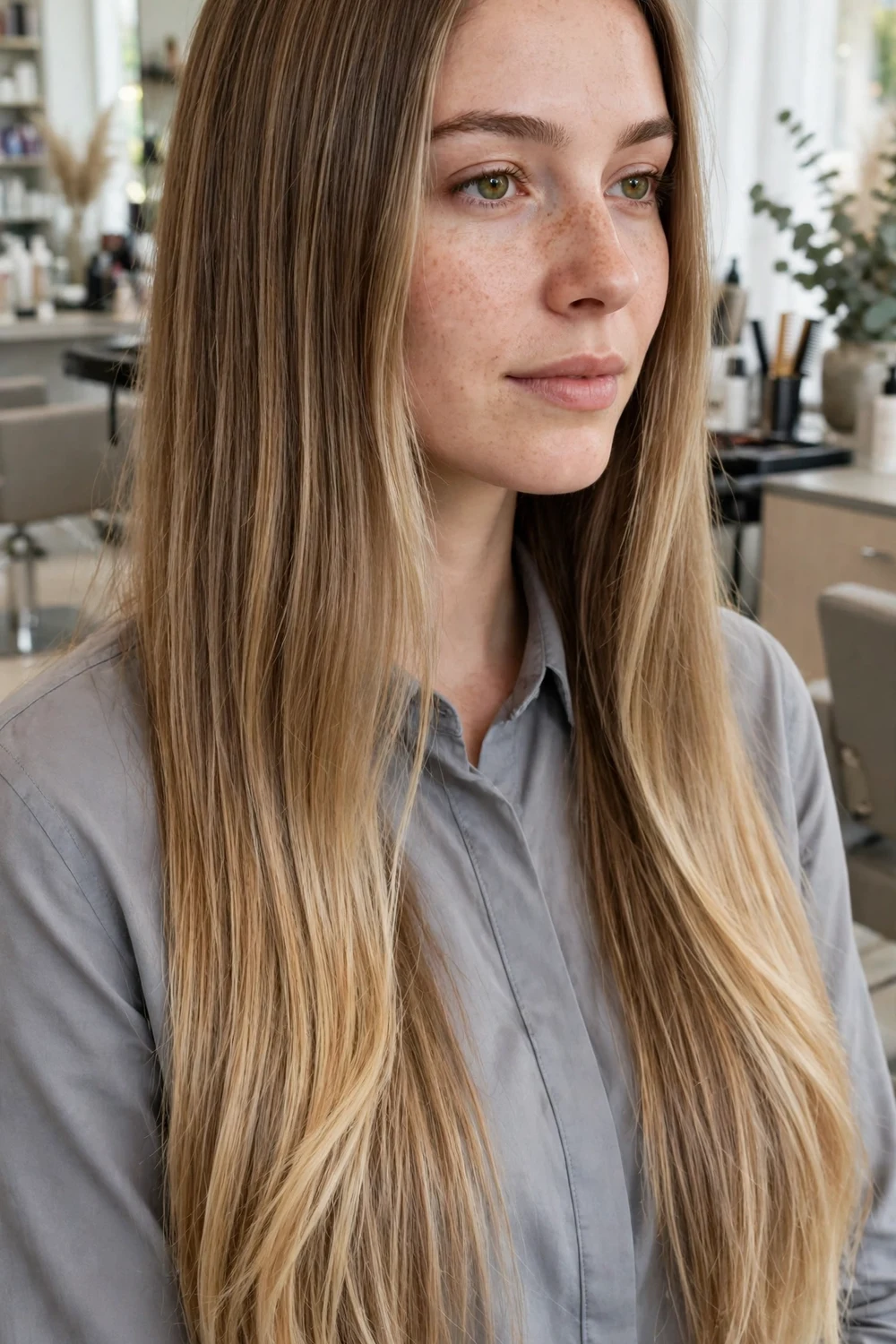
Ombre highlights keep the top of the head at your natural light brown and graduate the color down to blonde, honey, or caramel ends. The gradient concentrates all the lightness in the bottom third, so the face is framed by your own base color and the brightness sits in the lengths. Long hair shows the fade best, though a lob can carry a shorter version.
Roots need no maintenance at all, since they are left untouched, and the gradient can go months between salon visits. The ends carry the oldest and lightest hair, so they need weekly conditioning and care with heat. A gloss over the lightened section at eight weeks keeps the fade from looking dry.
Try this: ask for the transition to start below the chin. A higher start point shortens the gradient and makes the line between brown and blonde easier to spot.
Difficulty: Medium to High · Cost: $$$ (salon)
19. Chocolate Lowlights for Depth
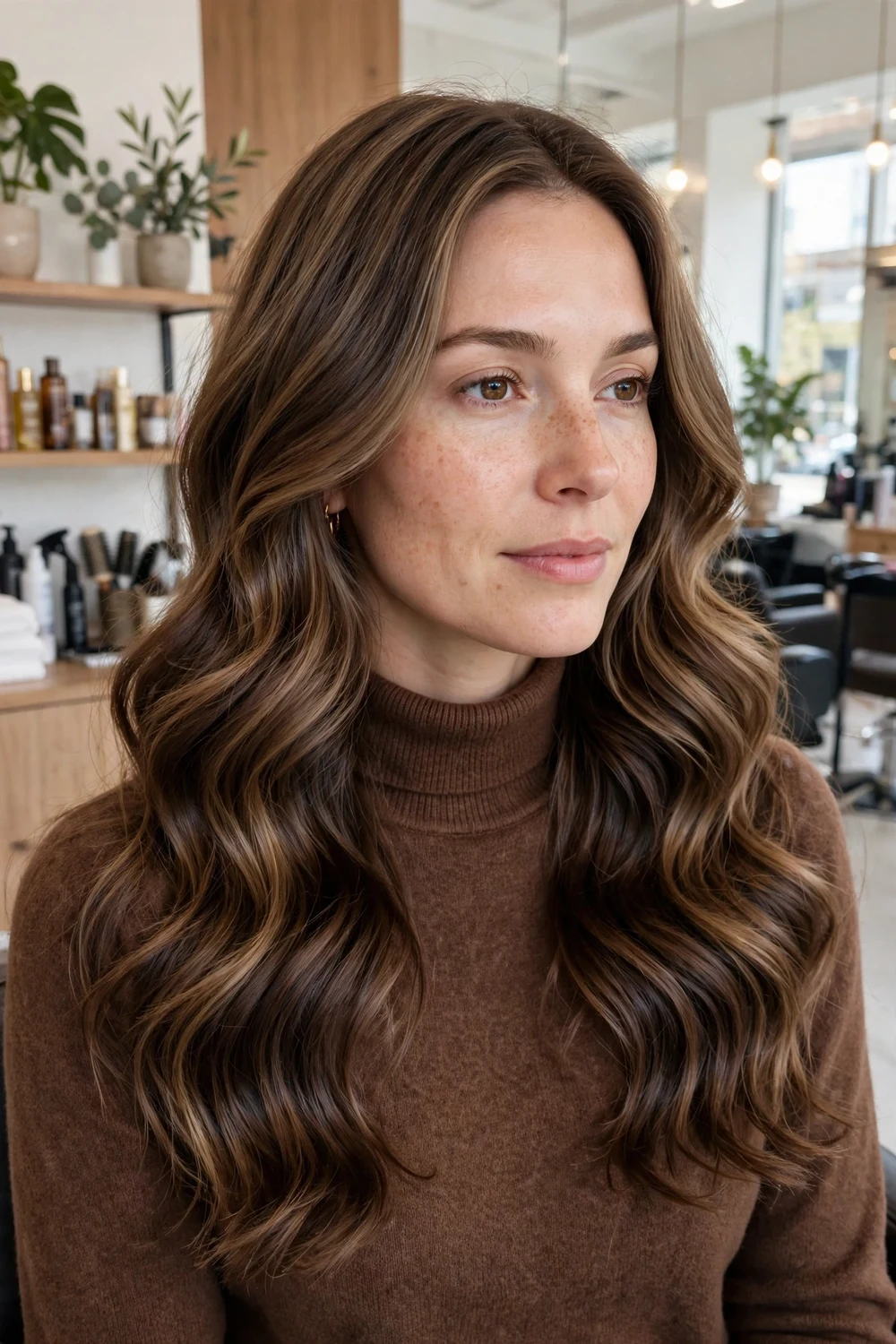
Chocolate lowlights place pieces two to three levels deeper than a light brown base, restoring the shadow that makes highlights look bright by comparison. They are the standard repair for light brown hair that has been highlighted so often it reads flat and pale. The undertone is a warm neutral brown, so the depth blends with both warm and cool highlights.
Lowlights are deposited, not lifted, so the service adds no lightener damage and can be done at the same visit as a highlight refresh. They fade slowly and grow out without a line. Most heads need the lowlight pass repeated every second or third highlight appointment to keep the balance.
Try this: ask for lowlights placed mostly underneath and through the back, where light brown hair loses depth first, and keep the top layer bright.
Difficulty: Low to Medium · Cost: $$ (salon)
20. Highlights and Lowlights Together
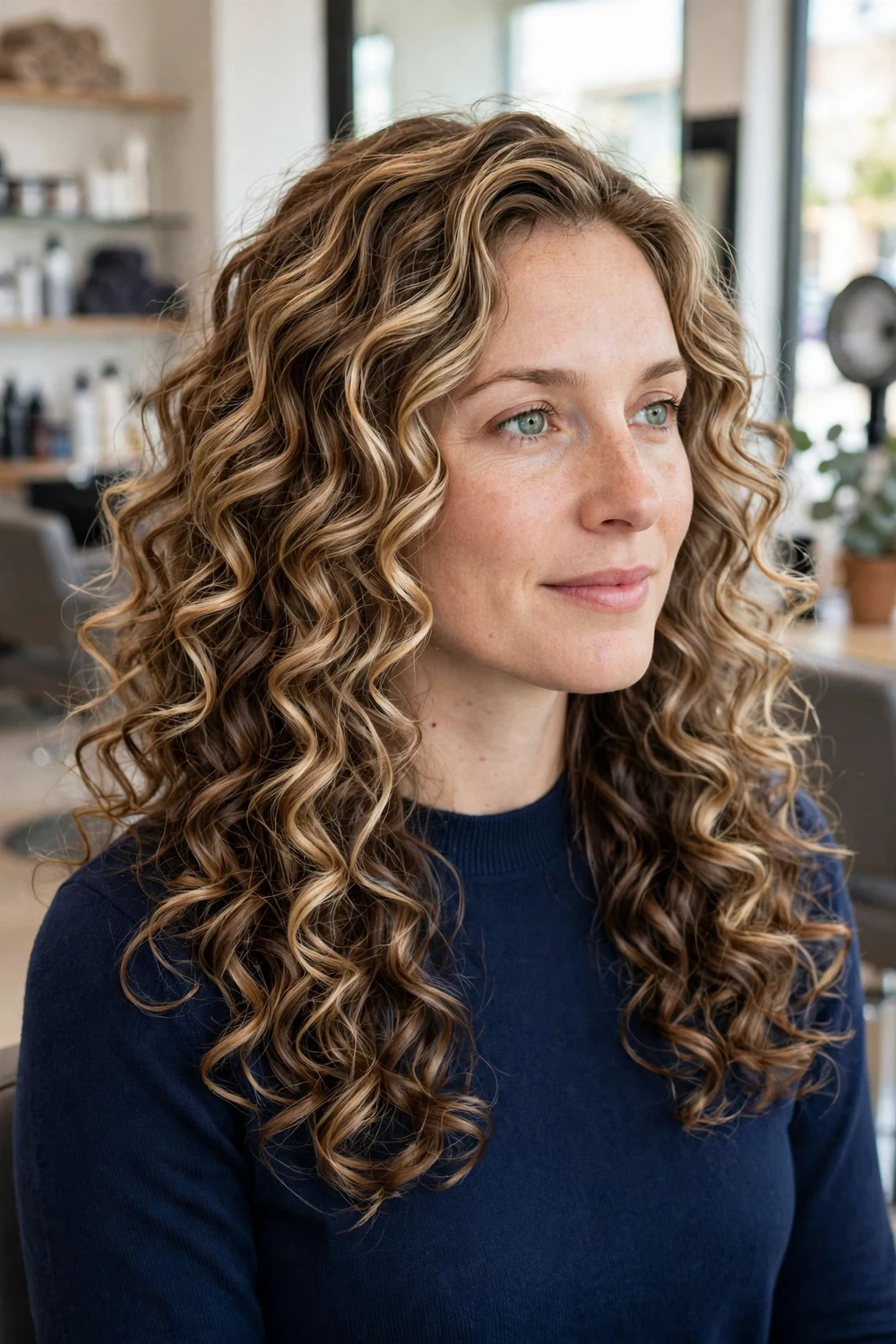
Booking highlights and lowlights in one service builds light and depth at the same time: blonde or caramel pieces lift the top and front, while chocolate or chestnut pieces rebuild shadow underneath. On a light brown base the three tones interlock, and fine hair in particular looks thicker for it. This is the most dimensional option on the list.
The combined service takes longer than a standard highlight appointment, since two formulas are placed section by section. Upkeep is balanced: the lowlights soften the regrowth line of the highlights, so the whole result holds for eight to ten weeks before it needs a full rebuild, with a gloss in between.
Try this: agree the ratio before the foils go in. A common starting point is two highlight sections to one lowlight section, adjusted once you see the first result.
Difficulty: Medium to High · Cost: $$$ (salon)
21. Bronde Color Melt

A bronde color melt blends blonde into a light brown base with no visible line where one shade ends and the other begins. The root stays a light brown close to your natural color, often placed as a root melt, and the lengths melt through honey and beige into blonde ends. It suits anyone who cannot decide between brown and blonde and wants both in one head of hair.
The melt is built with painted pieces plus a root color applied at the basin, so the appointment combines two services. Grow-out is the selling point: the root shade matches your own light brown closely, so visits can stretch to twelve weeks with only a gloss on the blonde lengths in between.
Try this: ask for the melt kept warmer, in honey tones, if your skin is warm, and cooler, in beige tones, if your skin is neutral or cool. The technique stays the same; only the toner changes.
Difficulty: Medium to High · Cost: $$$ (salon)
22. Peekaboo Highlights

Peekaboo highlights hide the lightened pieces under the top layer of light brown hair, so the brightness shows only when the hair moves, is tied up, or is tucked behind the ears. Blonde, caramel, and copper all work as the hidden shade. The look suits anyone who wants color that can be covered for work and shown off after hours.
Only the underlayer is lightened, which keeps the service smaller than a full highlight and leaves the visible top in good condition. Hidden pieces fade out of sight, so upkeep is relaxed, and most wearers refresh them every ten weeks or simply let them grow out. Updos and half-up styles show the color most.
Try this: place the peekaboo pieces at the sides rather than the back. Side pieces show in a ponytail and when you tuck your hair back, which is most of the reveal you will actually use.
Difficulty: Low to Medium · Cost: $$ (salon)
23. Cinnamon Highlights
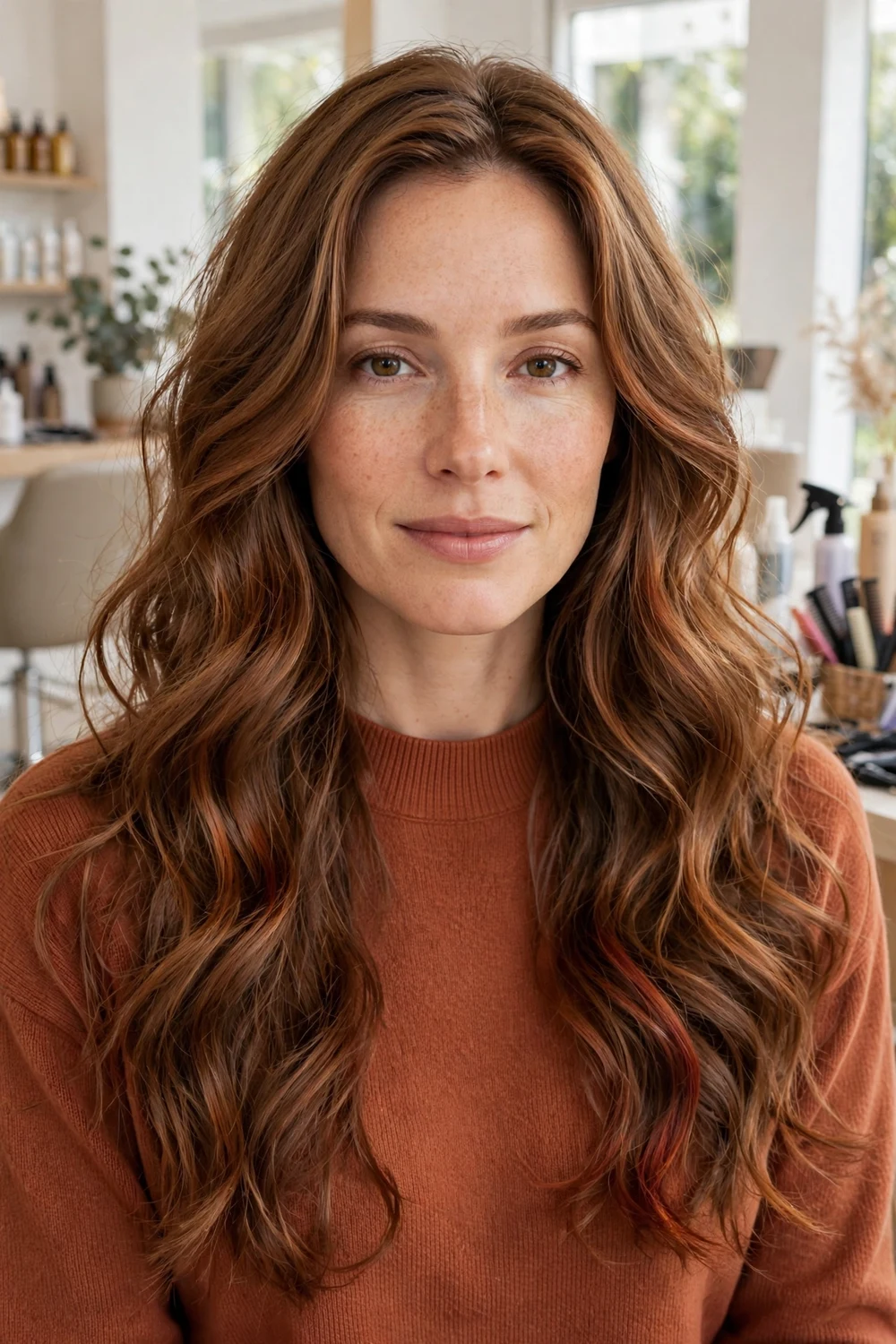
Cinnamon highlights add a muted rusty red-brown through light brown hair, close in depth to the base and clear in warmth. The pieces read as a spice tone rather than a bright red, which keeps the result wearable year round. Warm skin and brown eyes suit cinnamon well, and the shade pairs naturally with the fall brunette hair colors that lean on the same warm browns.
Cinnamon can be deposited over the base or laid over lightly lifted pieces for more brightness. The deposit route needs no lightener and fades evenly back toward brown over six to eight weeks. A cinnamon gloss at the refresh visit keeps the red-brown balance from drifting orange.
Try this: ask for cinnamon through the mid-lengths with a few pieces at the front, so the warmth frames the face without coloring the whole head red.
Difficulty: Medium · Cost: $$ (salon)
24. Smoky Ash Brown Highlights
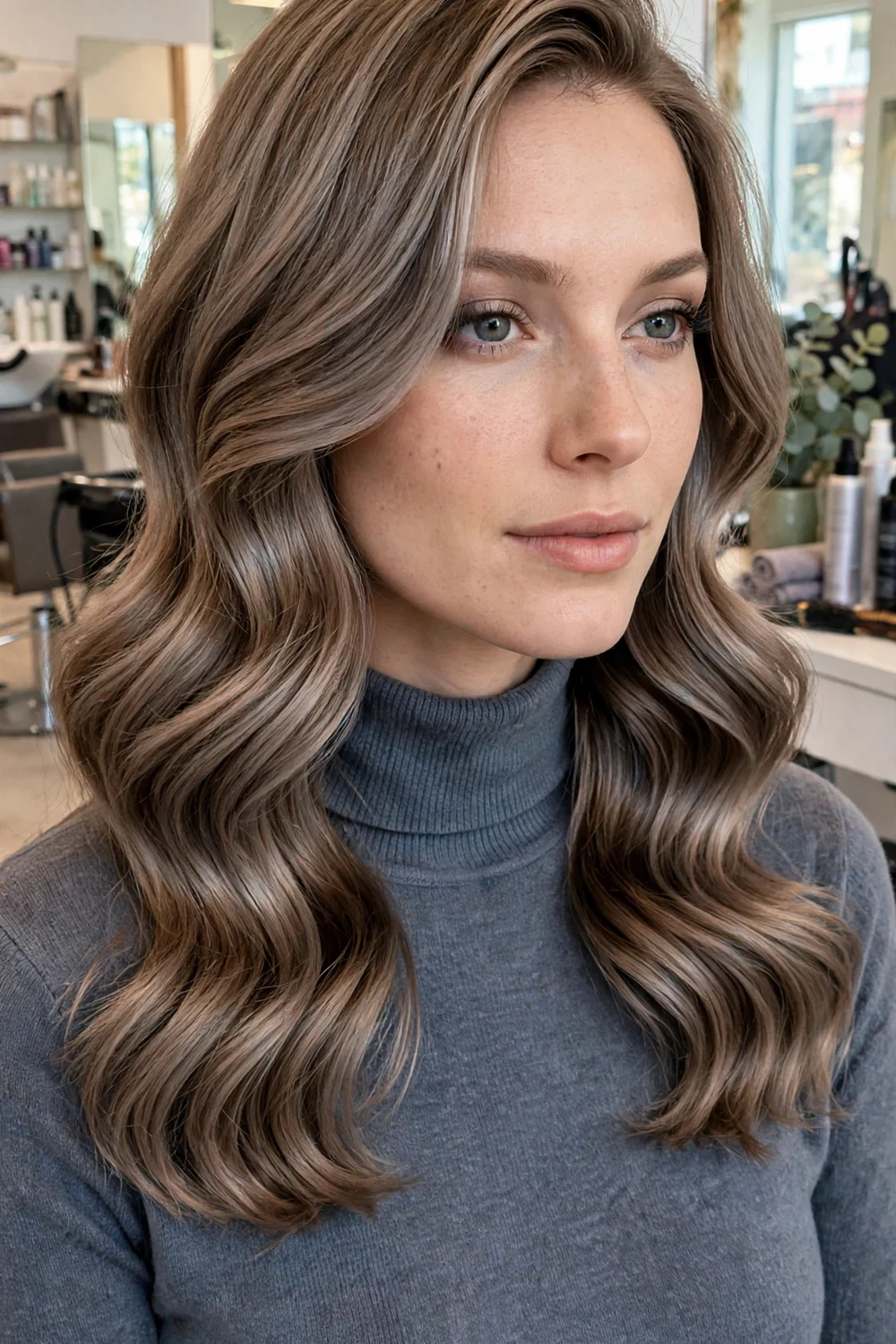
Smoky ash brown highlights work within the brown family itself: cool, muted pieces one to two levels lighter or equal to the base, toned with ash so no gold shows. The result is a cool light brown with dimension that reads as shadow and light rather than as highlights. Cool skin tones suit this family best, and it is the answer for light brown hair that looks too warm under indoor lighting.
The pieces are toned rather than heavily lifted, so the service is gentler than the blonde routes. The ash toner fades first and the warmth of the base returns, so a cool gloss at six weeks holds the smoky finish. Purple or blue shampoo once a week supports the tone at home.
Try this: ask for a mix of lighter and equal-level ash pieces. Using only lighter pieces flattens the smoky effect, which depends on shadow as much as light.
Difficulty: Medium · Cost: $$ (salon)
25. Honey Gloss Highlights
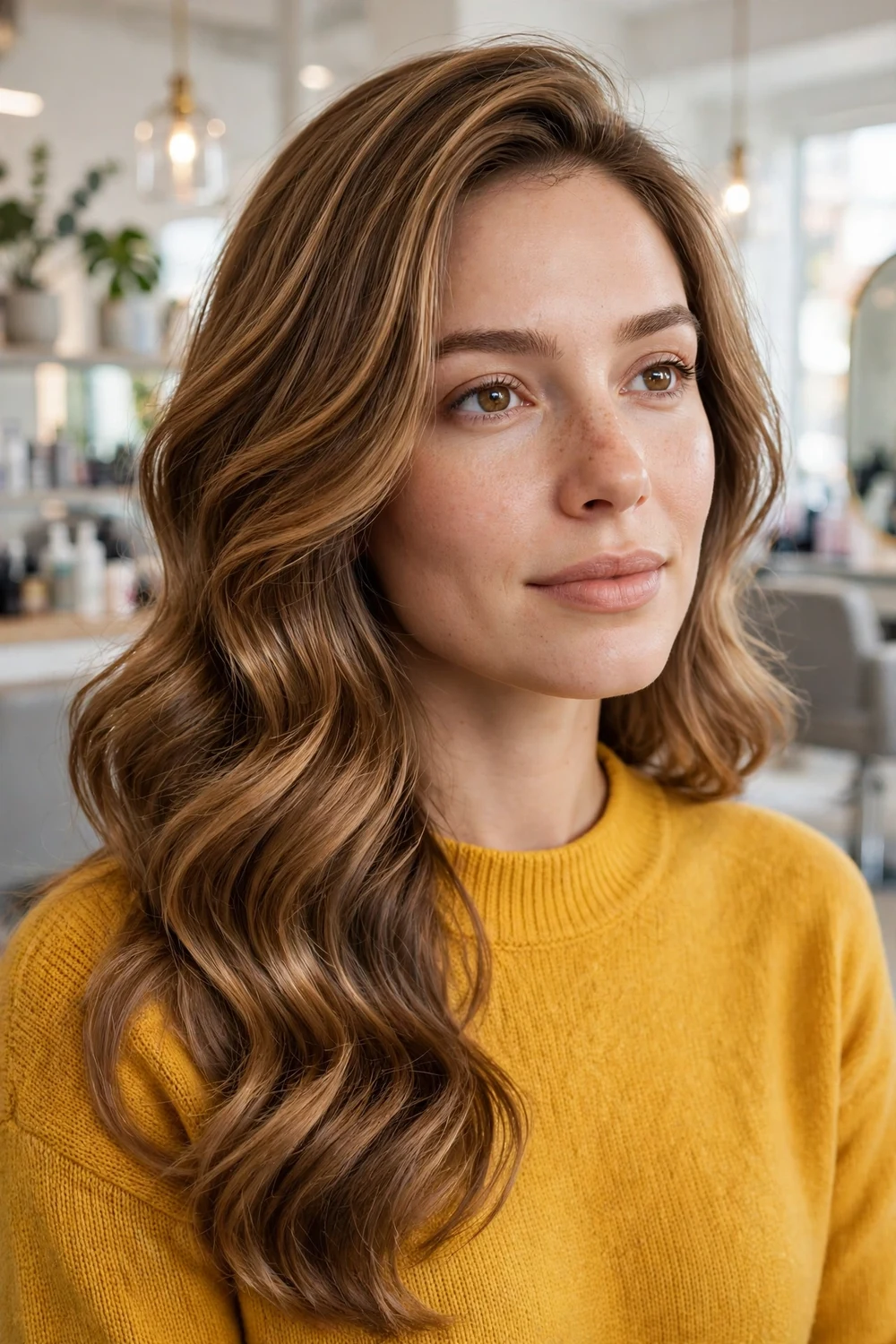
A honey gloss lays a sheer honey-toned demi-permanent color over the whole head, so a light brown base picks up a golden tint and a strong shine without any lightening. Existing highlights, if you have them, take the gloss more deeply and read as honey pieces against the warmed base. It is the gentlest idea on this list and the standard trial run before committing to foils.
The gloss fades out evenly over four to six weeks and leaves no regrowth line, so there is nothing to maintain if you decide against color. The appointment is short, usually under an hour. On its own the tint is subtle in indoor light and clear in sunlight, which suits anyone testing how warmth looks on their skin.
Try this: book the gloss a week before photos or an event. The shine and the honey tint are both at their strongest in the first two weeks.
Difficulty: Low · Cost: $ (salon)
More Ideas to Explore
Frequently Asked Questions
What highlight color looks best on light brown hair?
Honey blonde, caramel, and golden blonde are the most reliable highlight colors on light brown hair, because they lift the base only two to three levels and blend with its warm undertones. For cool or neutral bases, ash blonde, beige blonde, and smoky ash brown give a cleaner result. The deciding factor is undertone: match the highlight undertone to the undertone already in your light brown base.
Do highlights on light brown hair need bleach?
Most ideas on this list need only a modest lift, since light brown hair starts close to blonde. Honey, caramel, beige, and babylights are reached with lightener in foils or painted sections, but the lift is small. Copper, auburn, cinnamon, chestnut, lowlights, and glosses can be deposited with little or no lightening. Platinum highlights are the exception and do rely on strong pre-lightening.
How often do highlights on light brown hair need refreshing?
Fine and painted techniques last the longest: babylights, balayage, ombre, and color melts can go 10 to 12 weeks because the grow-out is soft. Standard foil highlights usually need a refresh at 6 to 8 weeks, and bright front pieces such as a money piece at about 6 weeks. Toners and glosses fade sooner, at 4 to 6 weeks, and can be renewed in a short appointment without redoing the highlights.
What is the difference between babylights and balayage?
Babylights are a section size: highlights taken in very fine foils so the brightness looks diffused and natural. Balayage is an application method: color painted onto the surface of the hair by hand, heavier through the ends and sparse at the roots. The two combine well, and many colorists paint babylight-sized pieces for a result that is both fine and softly placed.
Can lowlights help light brown hair that looks flat?
Yes. Lowlights in chocolate or chestnut place pieces two to three levels deeper than the base, which restores the shadow that highlights need next to them to look bright. Light brown hair that has been highlighted repeatedly often reads flat and pale, and a lowlight pass at the same visit as a highlight refresh rebuilds the contrast without darkening the whole head.
Final Thoughts
Light brown hair gives you room to move in both directions: warmer with honey, caramel, and copper, cooler with ash and beige, brighter with babylights and balayage, or deeper with chocolate lowlights. Pick the undertone that matches your base first, then choose the placement that fits the upkeep you will honestly keep, and the color will hold between visits. Start with a gloss or a face frame if you want a trial, and build toward a full set once the tone has proved itself against your skin.

