


If your hair has grown finer, flatter, or harder to shape, a razor cut can help in a quiet way. The razor tapers each strand toward the tip, so the ends look soft, the layers sit with more movement, and a cut can frame your face without a hard line. The versions in this list are chosen for older women, with softness around the face, careful handling of fine and thinning hair, and styling that fits an ordinary morning.
Every idea below notes how the razor is used, who the cut suits, and how often it needs a trim. Short pixies and crops need the most frequent tidies, while bobs and lobs forgive a longer gap between appointments. If your hair is very fine, look for the ideas that keep the perimeter fuller and use the razor on the ends only. If your hair is thick, look for the versions that remove weight through the interior of the cut.
Key Takeaways
- A razor tapers the ends of the hair, which gives softness and movement. On fine hair, that taper works best when it is kept light and the outline stays full.
- Pixies and crops style fastest and need trims at five to six weeks. Bobs and lobs take a little longer each morning and hold for eight to ten weeks.
- Grey, silver, and white hair suit razor texture well, because separated layers give natural grey a clear shape and visible dimension.
- Tell your stylist your hair is fine or thinning before cutting starts, even if it looks fuller when freshly washed, and agree where the shortest layer will sit.
- Very coarse or tightly curled hair needs a cautious approach, with the razor used sparingly and the shape checked dry.
1. Soft Silver Razor Pixie with Wispy Fringe
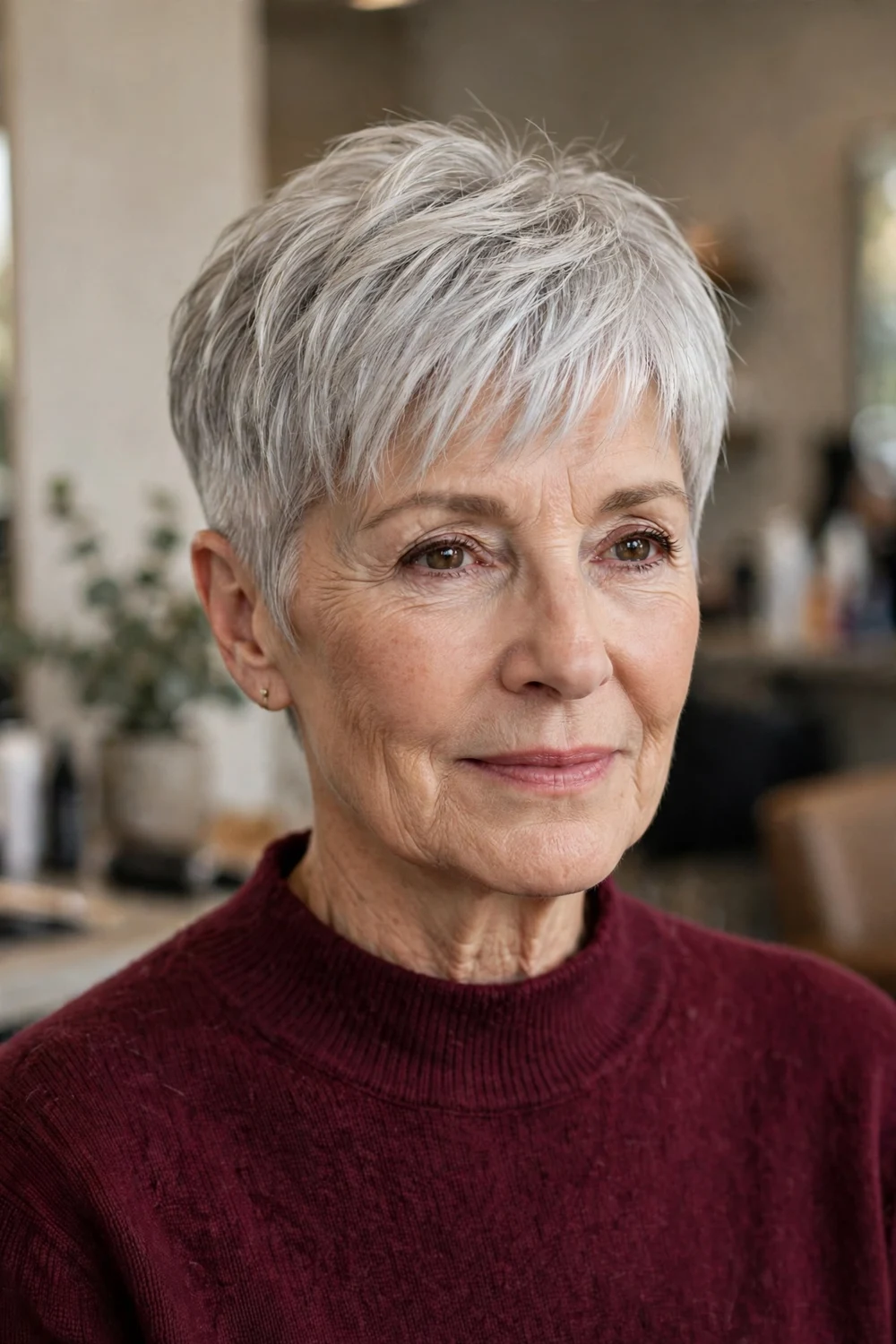
This pixie keeps the sides short and the top soft, with razor work used lightly through the ends so the silver hair separates into fine pieces. The fringe is cut wispy and sits just above the eyebrows, which softens the forehead line and keeps the focus on the eyes.
Finger styling is the whole routine. Work a pea sized amount of light cream through dry hair, push the top forward, and pinch the fringe into pieces. The shape holds for five to six weeks, and the soft edges grow out gently between visits.
Try this: Ask for the razor to be used on the ends only. Keeping the interior fuller helps fine silver hair hold its shape.
Difficulty: Low · Cost: $
2. Gentle Razor Bob for Fine Hair with Full-Looking Ends

This bob is the careful version of a razor cut for fine hair. The perimeter is kept close to one length so the ends read full, and the razor is used only to taper the last part of each section and to add two or three soft layers around the face.
Blow dry with a paddle brush, directing the hair forward from the crown, and finish by smoothing the ends with your palms. The cut suits oval and long faces, and it needs a tidy at eight weeks to keep the ends looking full.
Try this: Bring a photo that shows the ends clearly. Your stylist needs to see that you want a full outline with soft texture, and that balance guides the razor work.
Difficulty: Low · Cost: $$
3. Feathered Razor Crop with Crown Lift for Thinning Hair
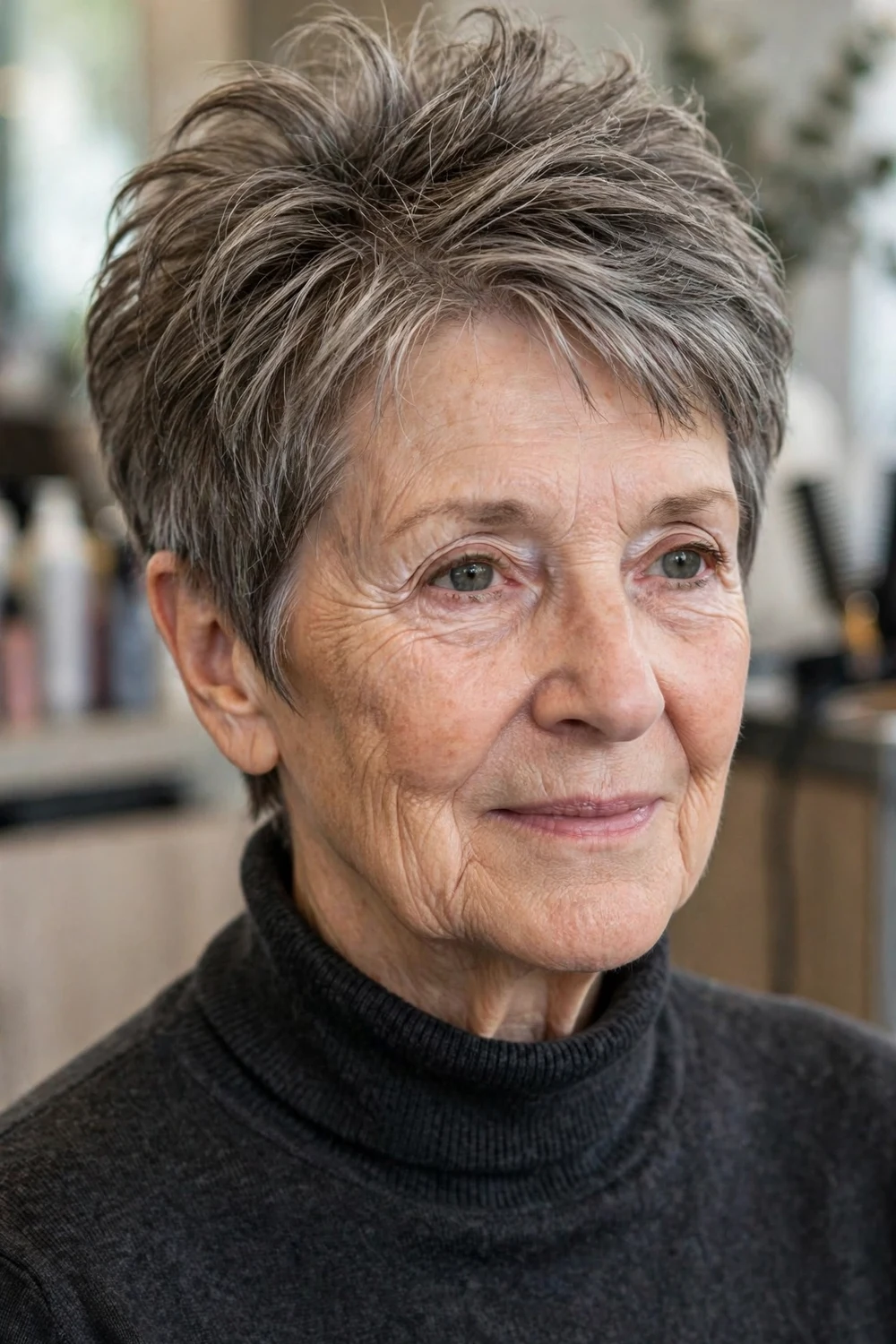
Short layers at the crown are the point of this crop. The razor lifts each layer away from the scalp in small, fanned pieces, so thinning at the top looks less flat and the hair gains height where most women want it.
The back and sides stay tapered and neat, which makes the lifted crown stand out more. Style with a small amount of volumising mousse on damp roots, dry with your fingers lifting upward, and leave the ends alone. Trims land every five to six weeks.
Try this: Ask where the shortest crown layer will sit before cutting starts. That layer sets the height, and a half inch changes the result.
Difficulty: Low · Cost: $
4. Side-Swept Razor Pixie Cut Around Glasses
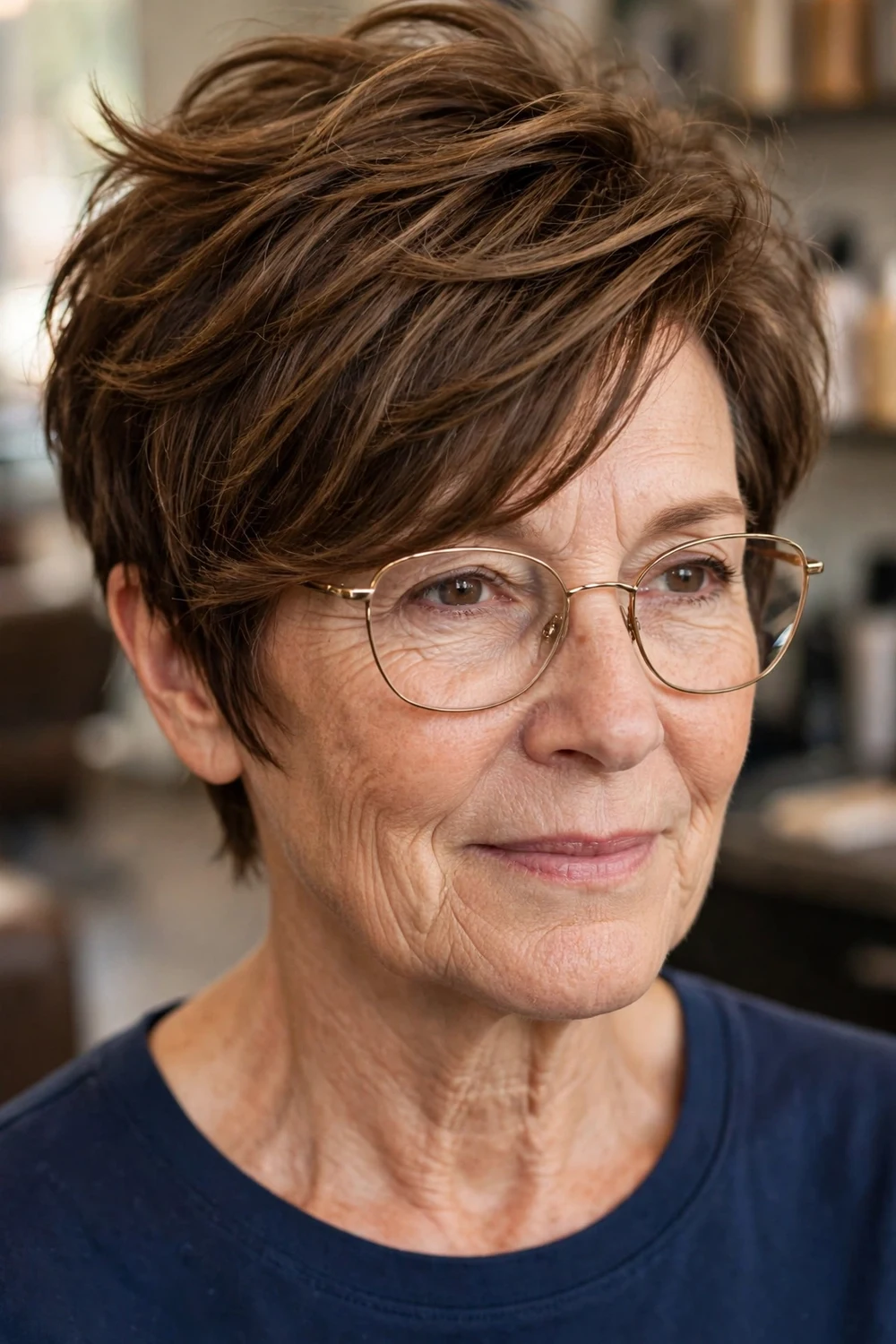
The top of this pixie is left longer and swept to one side, with razor texture through the ends so the sweep stays light. The sides are cut to sit clear of glasses arms, and the fringe length is checked with your frames on.
It suits women who wear glasses all day and want hair that stays off the lenses. Dry the top in the direction of the sweep with a small brush, then break up the ends with your fingers. The shape needs a trim at six weeks to keep the sweep clean.
Try this: Wear your everyday glasses to the appointment and keep them on for the fringe check. A fringe cut without frames often ends up too short or too long.
Difficulty: Low · Cost: $$
5. Chin-Length Razor Bob with Soft Cheek Framing

This bob ends at the chin, and the razor work is concentrated in two face framing layers that start at the cheekbones. Those layers soften the jaw line, draw attention to the cheeks, and stop a chin length bob from reading as a solid block.
The rest of the cut stays simple, with light texture at the ends so the bob moves when you turn your head. Air dry with a light cream, or use a round brush only on the front sections for a smoother finish. Plan a reshape at eight weeks.
Try this: Ask for the framing layers to start at the cheekbone, rather than higher. Layers that start near the eyes can widen the face on fine hair.
Difficulty: Low · Cost: $$
6. Tousled Razor Pixie Bob with Tapered Nape
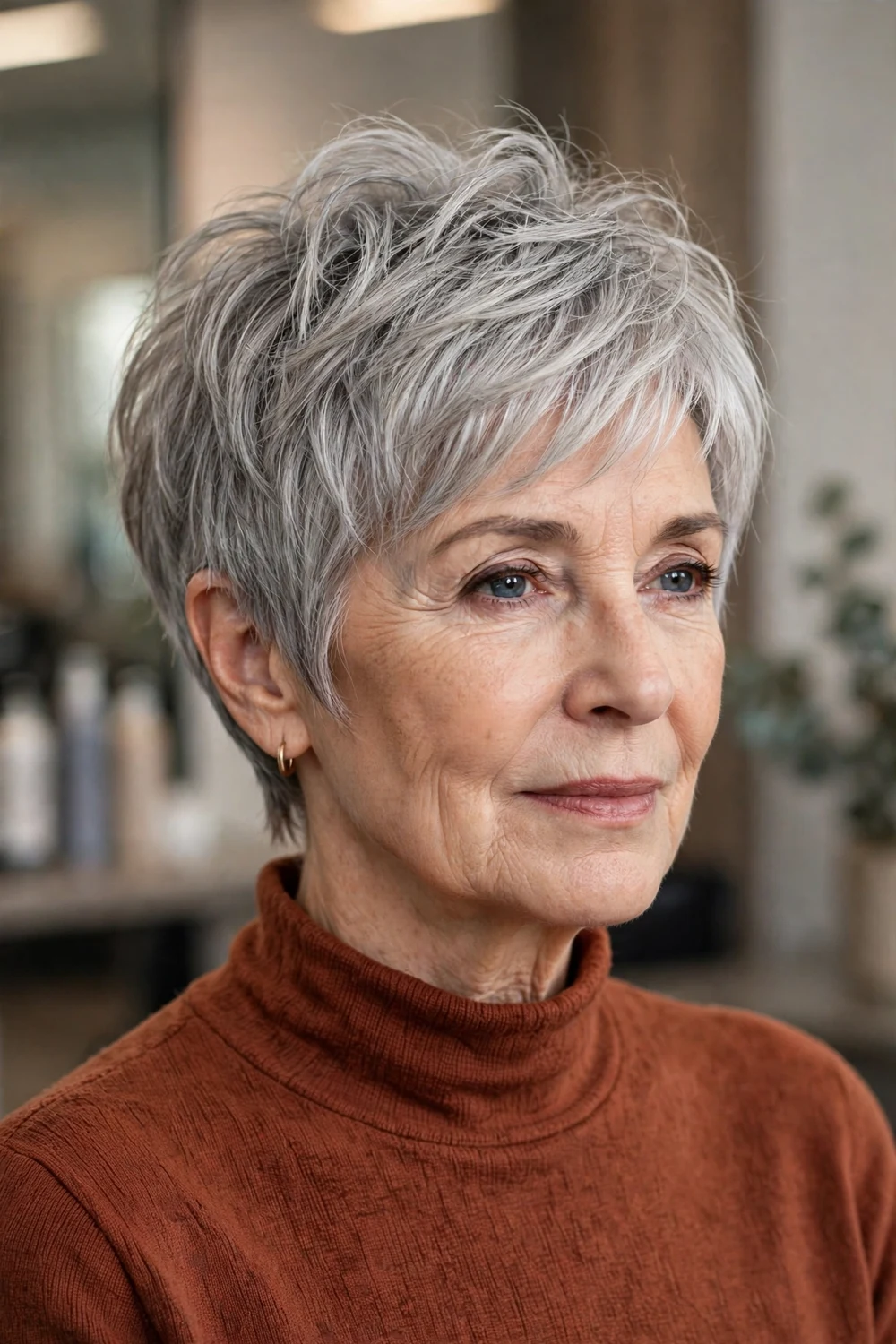
The pixie bob sits between a pixie and a bob, with length around the ears and jaw at the front and a tapered nape at the back. Razor texture through the top gives the tousled finish, while the tapered back keeps the outline neat and lifts the profile.
This length is a good step for women leaving a bob who want less weight at the back. Scrunch a light mousse through damp hair and let it air dry, then separate the top pieces with your fingers. It holds its shape for six to seven weeks.
Try this: Ask to keep a little length in front of the ears. That small section softens the change if you are moving from a bob to a shorter cut for the first time.
Difficulty: Low · Cost: $$
7. Shoulder-Length Razor Lob with Light Layers

The lob keeps length at the shoulders and uses the razor for light layers through the lower half of the hair. The ends taper softly, so the cut moves and feels lighter, while the top stays smoother and fuller.
You can still tie this length back, which many women want. Style with a heat protectant and a large round brush for polish, or air dry with cream for a softer finish. Long layers grow out well, so trims can stretch to ten weeks.
Try this: Ask for the layers to start below the chin. Starting them higher can thin out the ends on shoulder length hair that is already fine.
Difficulty: Medium · Cost: $$
8. Layered Razor Shag with Grown-Out Fringe

This shag uses razor cut layers through the crown and lengths, with a grown-out fringe that parts in the middle and blends into the front layers. The layering gives lift at the top and movement through the sides, in the same family as the cuts in our guide to shaggy hairstyles for older women, with a softer razor finish.
Keep the layers blended rather than heavily separated for a calmer result. Work mousse through damp hair, dry lifting at the crown, and let the fringe fall open. The grown-out fringe is forgiving if you miss an appointment, and the cut reshapes at eight to ten weeks.
Try this: Show your stylist how you part your hair at home. A shag fringe cut on a different parting rarely sits right once you style it yourself.
Difficulty: Medium · Cost: $$
9. Salt and Pepper Razor Pixie with Longer Top

Salt and pepper hair gains clear dimension from this cut, because each razor cut layer catches light at a different angle and the dark and silver strands separate into visible pieces. The top is left longer so you can wear it forward, swept, or lifted.
The sides stay close and tidy, which keeps the longer top from looking heavy. A small amount of matte paste on dry hair defines the pieces. This is a strong option for women who want their natural colour to be the feature of the cut.
Try this: Use a purple toning shampoo once a week if the silver sections start to look dull. The cut itself needs very little daily product.
Difficulty: Low · Cost: $
10. Air-Dry Razor Crop for Low-Upkeep Mornings

This crop is cut to fall into shape as it dries. The razor creates soft, uneven ends that sit in place without heat, and the layers follow the natural growth direction, including any cowlick at the crown.
Wash, apply a light leave-in cream, comb the hair into place, and leave it alone while it dries. Touching it too much during drying is what creates frizz on this length. The crop needs a tidy every six weeks, and mornings in between take minutes.
Try this: Tell your stylist honestly that you plan to air dry most days. The cut has to be shaped for air drying at the appointment, with your natural wave pattern visible.
Difficulty: Low · Cost: $
11. Layered Razor Bob for Straight Fine Hair

Straight fine hair needs layering that stays hidden. This bob uses light internal razor layers that lift the surface hair without cutting visible steps into the sides, so the bob looks smooth from a distance and moves up close.
It is a useful pattern for the concerns covered in our guide to hairstyles for older women with fine hair, where keeping the outline full matters as much as adding lift. Blow dry with a paddle brush and a root lifting spray, and avoid heavy oils that flatten the layers. Reshape at eight weeks.
Try this: Ask for internal layers only, with the outer layer left long. That keeps the surface smooth and stops fine hair from looking wispy at the sides.
Difficulty: Medium · Cost: $$
12. Wavy Razor Bob Styled Without Daily Heat

If your hair has a natural wave, this bob works with it. The razor removes weight at the ends so the wave can form in loose bends, and the layers are cut dry or checked dry, so the wave pattern you see in the salon is the one you get at home.
Scrunch a curl cream or light mousse into damp hair and air dry, or use a diffuser on low heat for a few minutes. Avoid brushing the hair once it is dry, since brushing breaks the wave into frizz. The cut grows out softly for eight to ten weeks.
Try this: Book the cut on a day when you can arrive with your hair dry and in its natural wave. Cutting wavy hair while it is pulled straight often leads to a shorter result than planned.
Difficulty: Low · Cost: $$
13. Curly Razor Cut with Soft Rounded Shape

Curly hair can wear a razor cut when the razor is used sparingly and the shape stays rounded. The stylist cuts curl by curl at the ends to soften the outline, keeps enough weight for the curls to sit together, and shapes the silhouette so it follows the head.
Keep the layers longer on curly hair. Short layers spring up and can create width at the sides. Style with a moisturising cream on wet hair, scrunch upward, and air dry. A tidy is needed at eight to ten weeks to keep the rounded shape.
Try this: Ask if your stylist cuts curly hair dry. A razor cut shaped on wet, stretched curls can sit much shorter once the curls dry and spring back.
Difficulty: Medium · Cost: $$$
14. Brushed-Forward Razor Pixie for Hairline Fullness

The top layers of this pixie are cut and styled forward, toward the forehead. That direction covers the hairline where thinning often shows first, and the razor texture keeps the forward pieces light so they sit flat without looking heavy.
The back and sides are kept short and neat, which pushes all the visual weight to the front and top. Finger comb the top forward on damp hair with a light mousse, and let it dry in that direction. Trims land every five to six weeks.
Try this: Train the direction for the first week. Comb the top forward after every wash, since hair that has been parted to the side for years needs a few washes to settle forward.
Difficulty: Low · Cost: $
15. Angled Razor Bob with Longer Front Pieces

This bob is shorter at the back and longer at the front, with front pieces that reach the jaw or just below. The razor softens the angle so the line looks gradual, and the longer front draws the eye down, which lengthens the face.
It suits round and square faces well. The back sits off the neck, which feels cooler and needs less styling, while the front can be tucked behind the ears. Blow dry the front sections forward with a small brush for polish. Reshape at seven to eight weeks.
Try this: Decide how long you want the front pieces before cutting. Front pieces that end right at the jaw can flick outward on wavy hair, so a little extra length often sits better.
Difficulty: Medium · Cost: $$
16. Medium Razor Cut with Feathered Ends for Thick Hair

Thick hair carries razor work well, because the razor can remove weight through the interior and feather the ends so a collarbone length cut feels light. The surface stays smooth, while the inner layers do the weight removal.
This approach follows the same soft, flicked finish described in our guide to feathered hairstyles for women over 50, adapted here to a medium razor shape. Style with a smoothing cream and a quick blow dry, or wear it air dried with the ends twisted lightly while damp. Trims can stretch to ten weeks.
Try this: Ask for weight removal through the interior, with the top layer left smooth. That gives you lightness without visible choppiness at the surface.
Difficulty: Medium · Cost: $$
17. Short Razor Cut with Side Part and Temple Coverage

A deep side part changes this short cut. The longer side section sweeps across the top and covers the temple area, where thinning is common, while the shorter side keeps the shape clean and lifts the profile.
The razor texture stops the swept section from sitting as a solid flap. Dry the hair in the direction of the part with a brush, then soften the ends with your fingers. The part needs to be set while the hair is damp, which takes an extra minute in the morning.
Try this: Set the part in the same place every day for the first two weeks. A new side part sits best once the roots learn the direction.
Difficulty: Low · Cost: $
18. Long Razor Layers Kept Below the Shoulders

Long hair can wear a razor cut when the razor work stays in the last few inches. Long layers are sliced lightly at the ends, so the hair keeps its length and weight at the top, and gains movement and a softer outline at the bottom.
Keep the front layers long as well, starting at the collarbone, so the face framing feels gentle. Use a conditioning mask weekly, since older long hair dries at the ends, and trim every ten to twelve weeks to keep the sliced ends tidy.
Try this: Ask for a small trim first if your ends are already thin. Razor work on damaged long ends can make them look finer, so a clean starting point matters.
Difficulty: Medium · Cost: $$
19. Razor Bob with Wispy Bangs and a Soft Forehead Line

Wispy bangs are the softest way to wear a fringe on this bob. The razor thins the fringe ends into fine pieces that skim the eyebrows, so the forehead is covered lightly and the eyes stay the focus. The bob itself sits at the chin with light texture at the ends.
This pairing is covered in more depth in our guide to hairstyles with bangs for older women, including fringe lengths for different face shapes. Dry the bangs first, brushing them side to side with a small brush, then dry the rest of the bob. The fringe needs a quick tidy at four to five weeks.
Try this: Ask for the bangs to be cut longer than you think you need. Wispy bangs can always be shortened at the tidy visit, and longer pieces are easier to live with in week one.
Difficulty: Low · Cost: $$
20. Textured Razor Crop in Natural White and Grey

Natural white and grey hair often has a wirier texture, and this crop gives that texture a clear shape. Short razor layers separate the strands into pieces, so white hair reads as textured and deliberate rather than fluffy.
Keep the sides tapered close, since grey hair at the sides can stick out as it grows. A tiny amount of matte cream on dry hair defines the pieces and calms flyaway strands. The crop holds for five to six weeks and needs very little heat.
Try this: Use a toning shampoo once a week to keep white hair clear and bright. Grey and white strands pick up dull tones from water and product faster than pigmented hair.
Difficulty: Low · Cost: $
21. Razor-Cut Bixie with Piecey Cheek Pieces

The bixie sits between a pixie and a bob, cropped at the back with bob length pieces at the front. The cheek pieces are the detail to notice here. They are razor cut into separated strands that frame the cheeks and soften the transition from short back to longer front.
This is a good middle step if a full pixie feels too short. It also pairs well with the longer shapes in our guide to long pixie haircuts for fine hair if you want to compare lengths before you book. Style by drying the back flat and pushing the front pieces forward. Reshape at six to seven weeks.
Try this: Keep the cheek pieces at cheekbone length or just below. Pieces that end mid cheek can widen the face on round face shapes.
Difficulty: Medium · Cost: $$
22. Soft Razor Shag for Round Faces

For round faces, this shag keeps the layers longer at the front and lighter at the sides. The razor layers at the crown add height, the front layers fall past the chin, and the sides stay closer to the head, so the overall outline looks longer.
Avoid adding width at cheek level. Volume belongs at the crown and below the chin on this shape. Work mousse into the roots at the crown, dry lifting upward, and smooth the front layers down with your palms. The cut reshapes at eight to ten weeks.
Try this: Ask your stylist to check the shape with your head upright and your glasses off and on, if you wear them. Width at the sides shows differently at each angle.
Difficulty: Medium · Cost: $$
23. Sleek Razor Bob with a Strong Perimeter Line
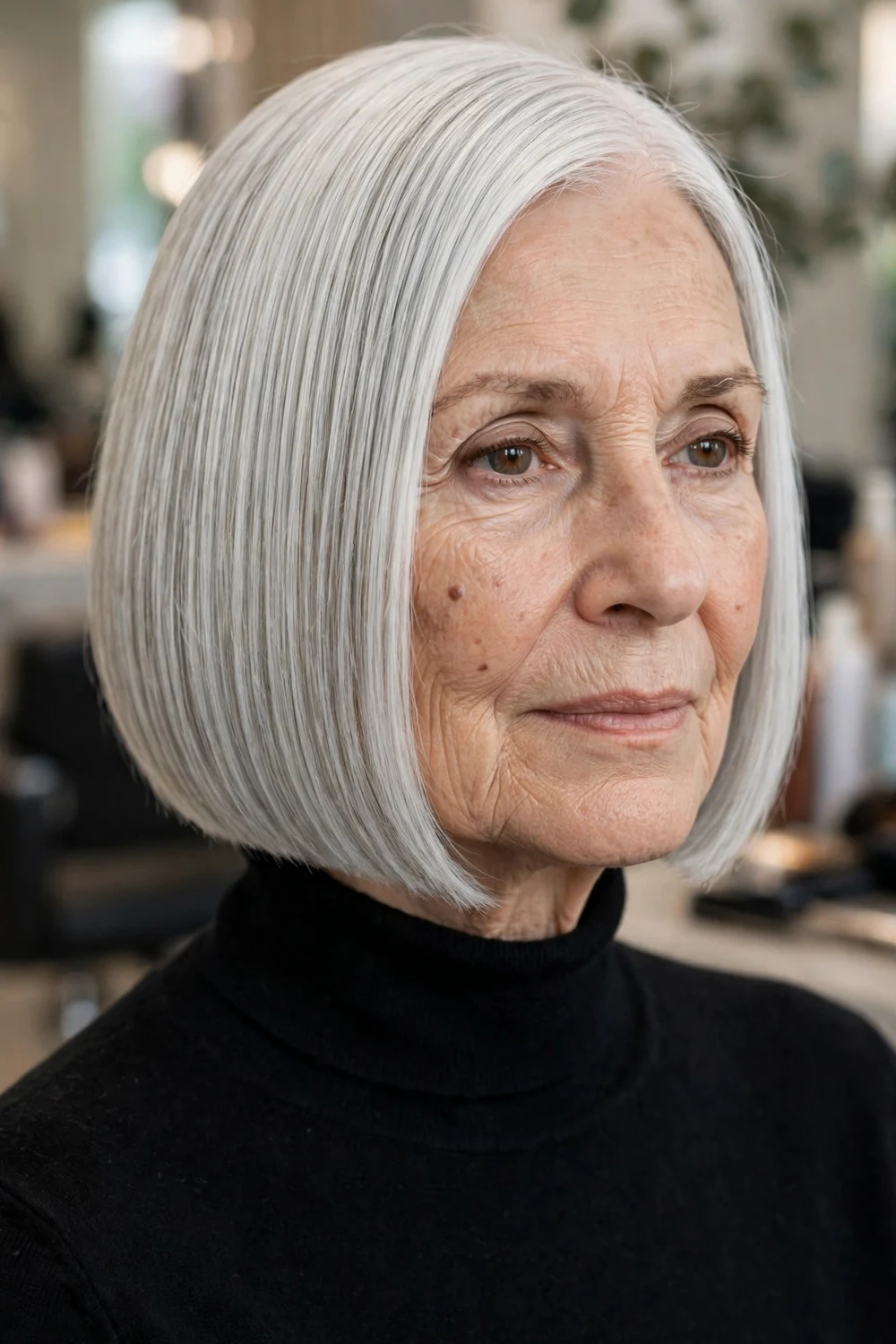
This bob looks smooth and polished, and the razor work is hidden inside the cut. The perimeter is left strong and even, which makes fine hair look fuller at the ends, while light razor texture inside removes just enough weight for the bob to swing.
It is the most formal option in this list and suits straight hair best. Blow dry with a paddle brush, directing the hair under at the ends, and finish with a light shine serum on the surface only. The strong line needs a trim at seven to eight weeks to stay sharp.
Try this: Keep serum away from the roots. On a sleek bob, product at the roots shows quickly and makes fine hair look flat by the afternoon.
Difficulty: Medium · Cost: $$
24. Warm-Toned Razor Lob for Grey Blending

Warm lowlights and a soft root blend make this lob forgiving on regrowth, and the razor cut gives the colour movement to work with. Light layers through the lengths let the warm tones and natural grey show in separate pieces, so regrowth reads as part of the colour.
The length sits at the shoulders, which keeps styling simple and still allows a low ponytail. Colour appointments can stretch further with a blended root, while the cut itself needs a reshape at eight to ten weeks. Use a colour safe shampoo to keep the warm tones clear.
Try this: Ask for the root blend to follow your natural grey pattern, heavier where your grey is strongest. A blend that matches your own pattern grows out the most quietly.
Difficulty: Medium · Cost: $$$
Razor Cut Hairstyles for Older Women at a Glance
Use this table to compare the four length families before you choose an idea. Trim timing and daily styling differ more by length than by any other factor.
| Length family | Best for | Daily styling | Trim cycle |
|---|---|---|---|
| Pixies and crops (ideas 1, 3, 4, 9, 10, 14, 17, 20) | Thinning at the crown or hairline, glasses wearers, fastest mornings | Finger styling with cream, mousse, or paste | 5 to 6 weeks |
| Bobs and bixies (ideas 2, 5, 6, 11, 12, 15, 19, 21, 23) | Fine hair that needs a full outline, first razor cut | Air dry or quick blow dry, brush at the front only | 7 to 8 weeks |
| Shags and medium cuts (ideas 8, 13, 16, 22) | Natural wave or curl, crown lift, softer grow-out | Mousse or cream, lift at the crown | 8 to 10 weeks |
| Lobs and long layers (ideas 7, 18, 24) | Keeping length, tie-back option, grey blending | Round brush for polish or air dry for a soft finish | 8 to 12 weeks |
Frequently Asked Questions
Is a razor cut safe for fine or thinning hair?
Yes, when the razor work stays light. Fine and thinning hair does best with the razor used on the ends only, longer layers, and a fuller perimeter, which keep the outline looking full. Heavy razor work through the interior can make fine ends look sparse, so ask your stylist to show you how much texture they plan to add before they start.
How often does a razor cut for older women need a trim?
Pixies and crops need a trim at five to six weeks, bobs at seven to eight weeks, and shags, lobs, and long layers at eight to twelve weeks. Bangs and wispy fringes need a quick tidy at four to five weeks. Letting a short razor cut grow far past its cycle softens the shape first at the nape and around the ears.
Does a razor cut work on grey and white hair?
Yes. Razor layers give grey and white hair a clear shape, and the separated pieces add dimension because each layer catches light at a different angle. Grey hair can be wirier, so keep the sides tapered and use a small amount of cream to calm flyaway strands. A toning shampoo once a week keeps silver and white hair clear.
Can I wear a razor cut with glasses?
Yes, and the cut should be shaped around your frames. Ask for the sides to sit clear of the glasses arms, and have the fringe length checked with your glasses on. Longer side-swept and pixie bob shapes work well with frames, since the hair around the ears can be kept neat without sitting on the arms.
What should I ask my stylist before a razor cut?
Ask where the shortest layer will sit, how much of the cut will be done with the razor, and how the ends will look on your hair type when it is dry. Bring two or three photos from this list, say clearly if your hair is fine or thinning, and agree on the trim cycle before you leave, since short razor shapes need regular tidies to hold their outline.
Final Thoughts
The right razor cut for this stage of life comes down to control. You want the softness and movement a razor gives, with the texture kept light enough that fine hair still looks full and the shape still reads clearly on a weekday morning. Pick your length by your routine, pick your layer strength by your hair thickness, and let grey hair be part of the design. Take two or three photos from this list to your appointment, agree on where the shortest layer will sit, and you will leave with a cut that asks very little of you between visits.

